Published · Updated
Plant zucchini and other summer squash outside after the last spring frost, once the soil is warm. Extension guides give 60°F to 70°F, depending on depth and region. Winter squash and pumpkins follow the same rule, but they need much longer to ripen, so count back from your first fall frost.
Squash is a tender crop. A cold week stalls it, and one frosty night can kill it. It also runs on two different clocks. Zucchini and yellow squash give fruit in about two months. Winter squash and pumpkins can need 60 to 120 days. This guide covers both, shows where the extension sources disagree, and works through date examples. The dates in the examples are made up, so swap in your own.
Last verified: November 8, 2026. Sources are listed at the end.
When is it safe to plant squash outside?
It is safe once the last spring frost is behind you and the soil has warmed. Clemson Cooperative Extension says to plant squash only after the last chance of frost has passed. Its pumpkin and winter squash guide says all types are “highly susceptible to frost.” University of Maryland Extension calls winter squash a very tender warm-season crop. It says frost will injure the top growth.
Your last frost date is the usual date of the final spring frost in your area. It is a chance, not a promise. If you have never used one, read how to use frost dates without treating them as a forecast. You can look up your own date with the tool on the GardenClock homepage. Not sure what counts as frost? Our page on frost vs freeze explains it. For squash, wait until both are over.
What soil temperature do squash and zucchini need?
The answer runs from 60°F to 70°F. Squash seeds do not sprout well in cold soil, so the soil matters more than the calendar. Here is what four sources say.
| Source | Soil and air guidance |
|---|---|
| Clemson Cooperative Extension, summer squash (HGIC 1321, updated Feb. 3, 2023) | Plant after the last chance of frost, once soil is 60°F at a depth of 4 inches. Squash grows best at average air temperatures of 65 to 75°F. |
| Clemson Cooperative Extension, pumpkins and winter squash (HGIC 1318, updated Jan. 24, 2023) | Seed after all danger of frost, once soil at 4 inches is above 60°F. |
| University of Minnesota Extension (reviewed 2024) | Sow after the last frost date, once soil is at least 70°F at a depth of 2 inches. |
| Old Farmer’s Almanac (Aug. 7, 2026) | Soil at least 65 to 70°F and air at 60°F or above. |
Why the 10-degree gap? Part of it is where you measure. Clemson reads at 4 inches and Minnesota at 2 inches. Part of it is place. Clemson writes for South Carolina, and Minnesota writes for a state with cold springs. If your spring swings between warm days and cold nights, use the higher number. If spring is steady and warm, 60°F at 4 inches is the lowest mark any of these sources gives. That is our reading, not a rule from the sources. Your seed packet and local extension office have the final say.
A cheap soil thermometer settles it. Our guide on why soil temperature matters more than a warm afternoon shows how to take a good reading.
Should you sow seeds outside or start squash indoors?
Sow outside if you can. The University of Minnesota Extension says direct seeding is preferred for squash. It also warns that seedlings started indoors and set into cold soil do not grow well, and that some fail because the roots were damaged during transplanting.
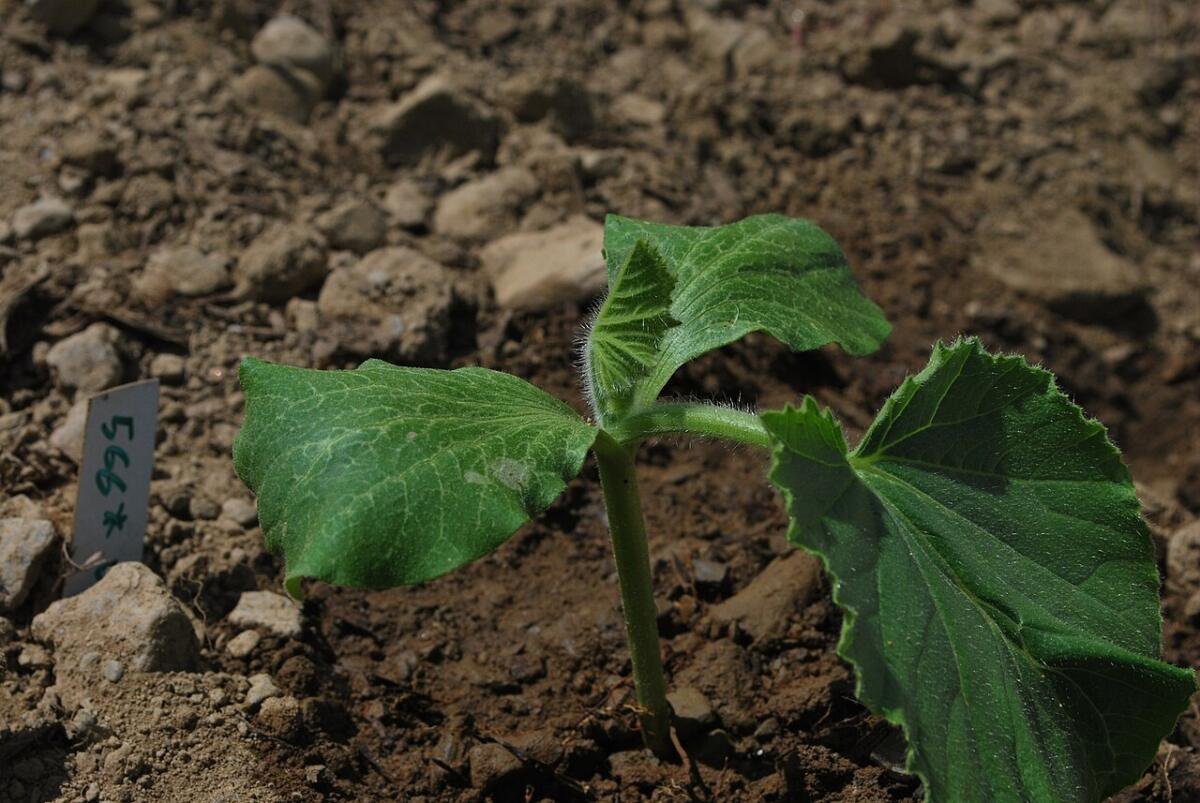
Other sources allow transplants, with limits. University of Maryland Extension says to sow seed in 3-inch containers about 3 weeks before planting time and to handle transplants gently. The Almanac says to start seeds in biodegradable pots 2 to 4 weeks before the last spring frost, and not to rush the move outside. Clemson says squash can be grown from seed or from transplants and sets transplants 15 inches apart.
These two timing rules count from different dates. Maryland counts back from the day you plant out. The Almanac counts back from the last frost. Here is how that plays out with made-up dates.
- Your last frost date is May 10, and you expect the soil to be warm enough by May 24.
- Maryland’s 3-week rule says to sow indoors on May 3.
- The Almanac’s 2 to 4 weeks before May 10 says April 12 to April 26. Those seedlings would be 4 to 6 weeks old by May 24.
The later date gives you a younger seedling, and a younger seedling is easier to move without hurting its roots. Skip the indoor start if your soil warms early and your season is long. For the full counting method, see when to start seeds indoors and our notes on planning seed starting backward from transplanting.
How do you pick a planting date for zucchini and summer squash?
Summer squash means the types you pick young: zucchini, yellow straightneck, crookneck and scallop (patty pan). Here are the steps, with a made-up example.
- Find your last frost date. Say it is May 10.
- Do not plant on that day. It is when frost gets less likely, not when it ends.
- Check the soil in the morning with a thermometer. Use the depth your source names, 2 inches for Minnesota or 4 inches for Clemson. Pick your target, 60°F or 70°F.
- Check the forecast. If a cold night is coming, wait.
- Sow seed about half an inch deep. Both Minnesota and Clemson give that depth. Clemson thins seedlings to 12 to 15 inches apart. Minnesota thins vining types to 8 to 12 inches, or sows hills of 3 or 4 seeds 5 to 6 feet apart. Follow your seed packet for your variety.
- Sow only part of your row. Minnesota says to seed part of the garden first and finish about three weeks later. That gives a longer, more even harvest.
Say the soil reaches 70°F on May 24. Sow half the row that day and the rest on June 14. Clemson says summer squash can be picked about 55 days after planting. That puts the first harvest near July 18. Clemson also says to pick zucchini when it is 7 to 8 inches long, and not to leave big fruit on the plant, because that stops new fruit from forming.
Can black plastic or row covers let you plant earlier?
They can help, but only a little. The University of Minnesota Extension says black plastic mulch warms the soil and allows earlier planting. Cut holes in the plastic, sow through them, and add a row cover once the seedlings are up. Spun row covers, which are light fabric sheets, warm the air around the plants and protect them on cold nights.

Know the limits before you count on a cover. Clemson says a light to medium spun-bonded cover gives 4 degrees of frost protection, down to 28°F. That helps on a light frost. It will not save plants from a hard freeze. Clemson also says to take covers off before temperatures pass 75°F, because heat under the cover can slow growth. Minnesota says to remove covers once flowers open, because covers keep out the bees that pollinate squash.
Two more details from the same sources. Minnesota says not to lay straw or compost mulch until the soil is at least 75°F, because it slows soil warming. Clemson says to use black plastic only for the spring crop. For a fall crop, paint the plastic white to reflect heat.
When should you plant winter squash and pumpkins?
Winter squash means the types left on the vine until the rind is hard: butternut, acorn, buttercup and pumpkins. They use the same frost and soil rules as summer squash. The big difference is time. University of Maryland Extension lists 60 to 100 days to maturity for winter squash. Clemson says pumpkins take 70 to 120 days, and most should be planted by early July to ripen for Halloween. For a pumpkin-only plan with a day-count method, see when to plant pumpkins.
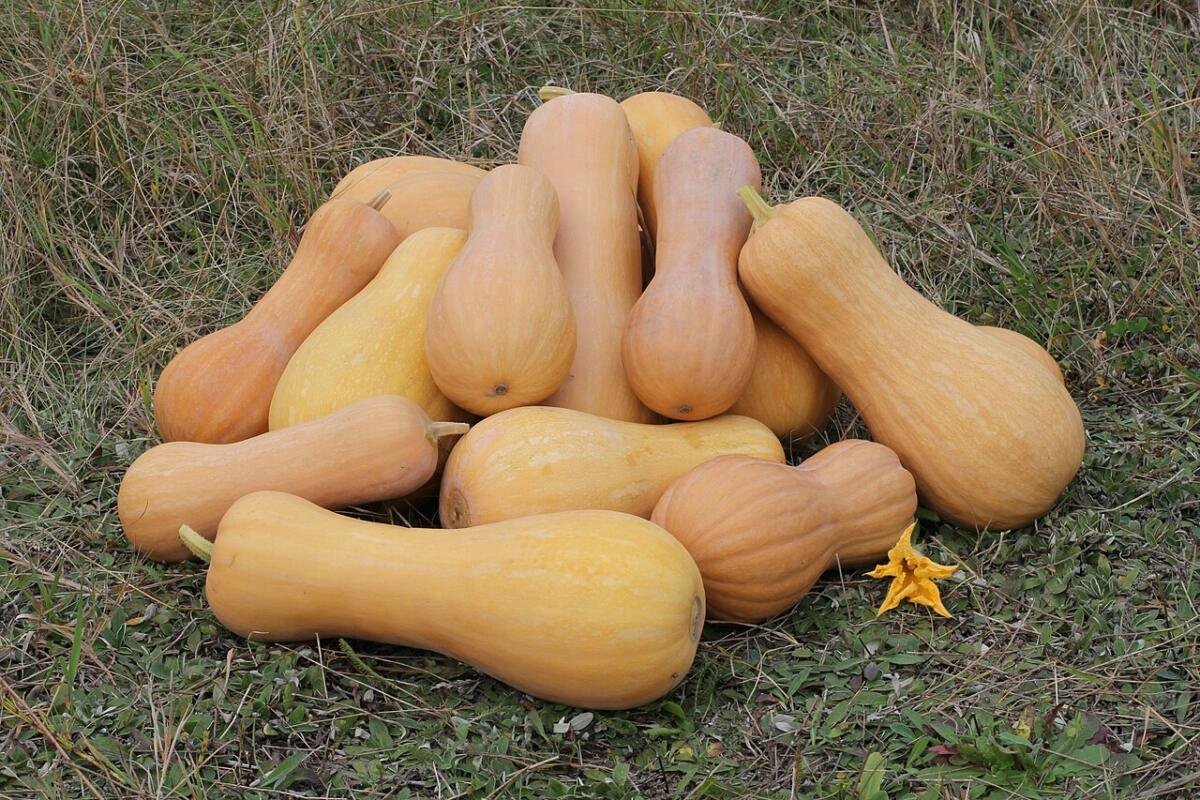
Clemson says winter squash and pumpkins can go in either late spring or midsummer. Spring crops lose quality faster after picking, so use them within several weeks. Earlier plantings, though, face fewer insect and disease problems. Here are Clemson’s South Carolina dates.
| Crop and region (Clemson, HGIC 1318) | Spring planting | Fall crop planting |
|---|---|---|
| Winter squash, Piedmont | Apr. 15 to Jun. 15 | Not recommended |
| Winter squash, Coastal | Mar. 20 to May 1 | Aug. 1 to Aug. 31 |
| Pumpkin, Piedmont | Not recommended | Jun. 15 to Jul. 15 |
| Pumpkin, Coastal | Not recommended | Jun. 1 to Jun. 30 |
Maryland frames it differently. It says you can plant a second crop of winter squash between June 15 and July 1. It also says most winter squash is harvested in September or October, before heavy frosts. The two states do not conflict. They are describing different frost calendars. Use them as examples of the spread, not as your dates.
How do you count back from your first fall frost?
Take your first fall frost date and subtract the days to maturity. That gives the last day you can sow. Check your seed packet for the number, and check whether it counts from seed or from transplant. Then add a cushion. Plants grow slower as nights cool, and a cushion of about 14 days is our own rule of thumb, not a figure from the sources.
Here is a made-up example. Say your first fall frost usually comes October 15.
| Crop | Days to maturity | Latest sowing date | With a 14-day cushion |
|---|---|---|---|
| Summer squash | 55 (Clemson) | Aug. 21 | Aug. 7 |
| Winter squash | 100 (top of Maryland’s range) | Jul. 7 | Jun. 23 |
| Pumpkin | 120 (top of Clemson’s range) | Jun. 17 | Jun. 3 |
Clemson’s fall dates for summer squash run July 15 to August 15 in the South Carolina Piedmont. On the coast they run August 1 to August 31. The method is the same, and the answer moves with your frost date. Our post on planting a fall garden covers the counting method in more detail.
How do squash vine borers change the planting date?
The squash vine borer is a day-flying moth whose larvae tunnel into squash stems. South Dakota State University Extension says the moths come out in late June through early July and lay eggs at the base of the plant. The larvae feed inside the stem for 4 to 6 weeks, which blocks water flow and makes the plant wilt. Clemson says the borers can cause total collapse.
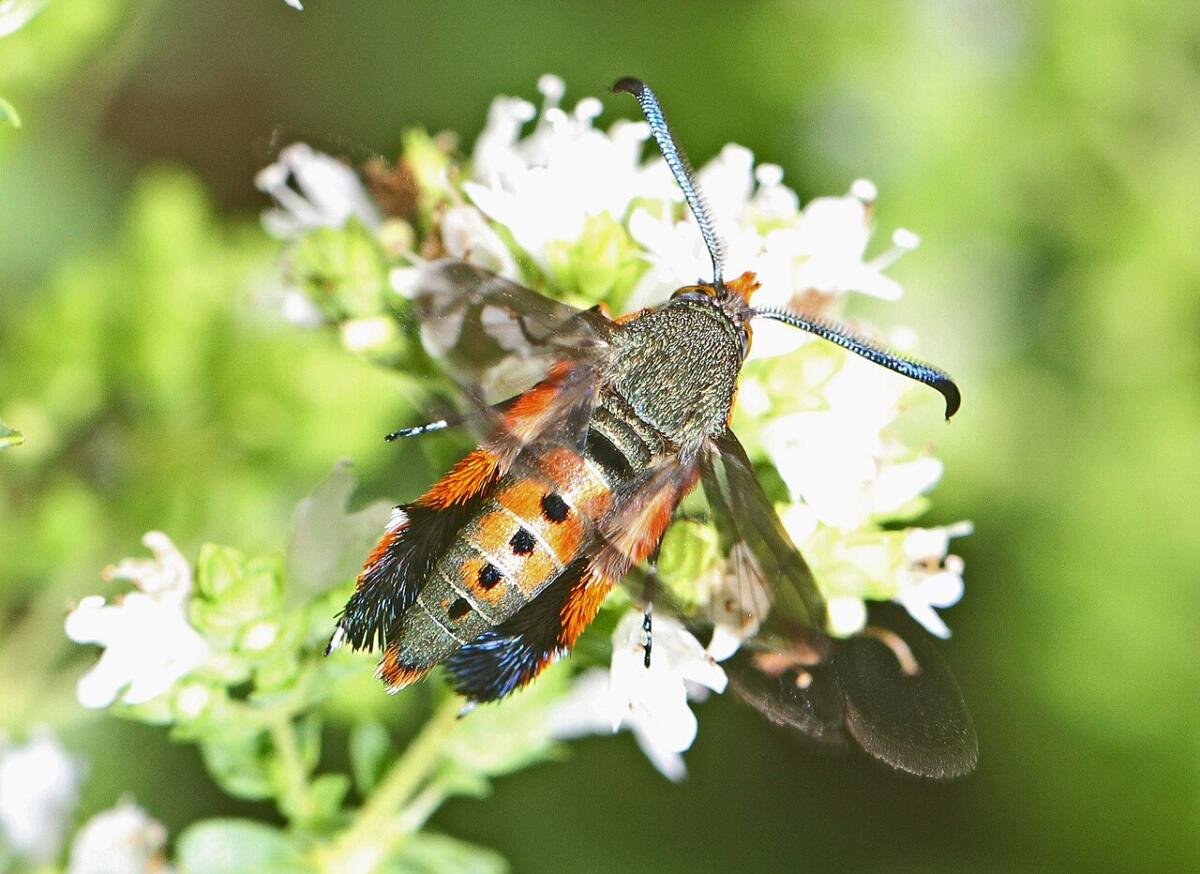
The sources give three timing answers. Clemson says to plant early, because vine borers and pickleworms are problems later in the season. South Dakota State says to plant both early and late, so some plants miss the egg-laying period. The Almanac says gardeners who struggle with borers can skip spring planting and sow in midsummer, as long as the plants have time to ripen before frost. The Almanac also suggests row covers or wrapping stems in foil to stop egg laying.
They are all trying to keep some plants out of the same short window. The trade-off is time. A late sowing works for a 55-day zucchini. It is risky for a 100-day winter squash. If you sow on July 5, the 100 days end on October 13. In the made-up garden above, that leaves two days before frost. In a northern garden, an early planting plus a row cover is the safer choice for winter squash.
If a plant wilts and you see sawdust-like waste at the base, South Dakota State says to remove the plant and destroy it. Since squash has several vines, you may be able to cut out the damaged part and still get fruit.
What mistakes should you avoid?
- Planting on the frost date. Use it as a starting point. Soil and forecast decide.
- Trusting air temperature. A warm afternoon can sit on top of cold soil.
- Mulching with straw too early. Minnesota says wait until the soil is 75°F.
- Leaving row covers on during flowering. Bees cannot reach the blooms.
- Letting zucchini grow huge. Clemson says big fruit stops new fruit from forming.
- Sowing winter squash too late. Count back from frost before you buy seed.
Squash is not the only tender crop with its own rules. See cucumbers, watermelon, tomatoes, peppers, green beans and sweet corn. Each has its own cold limit.
When can you skip parts of this plan?
If your area has no frost, skip the frost step and use the soil mark alone. If you grow in a greenhouse or high tunnel, these sources do not cover that, so ask your local extension office. If your seed packet gives dates for your region, use them as a cross-check, not a replacement for the soil reading. Low spots and open fields also cool differently from a bed by a south wall. See garden microclimates for how to find your cold corners before you plant.
Squash planting questions
Can I plant zucchini before the last frost date?
Not safely. Clemson says to wait until the last chance of frost has passed, and says all squash types are highly susceptible to frost. If you try it, have row covers ready for cold nights.
Is 60°F soil warm enough for squash?
It is the lowest mark in the sources. Clemson uses 60°F at 4 inches deep. Minnesota uses 70°F at 2 inches deep. Use the higher number if your spring swings between warm and cold.
Can I start squash seeds indoors?
Yes, with care. Maryland says to sow seed in 3-inch containers about 3 weeks before planting out. Minnesota prefers direct seeding because transplants can suffer root damage.
How long until zucchini is ready to pick?
Clemson says summer squash can be picked about 55 days after planting. Pick zucchini when it is 7 to 8 inches long.
Do pumpkins and winter squash follow the same dates as zucchini?
They follow the same frost and soil rules but need much longer. Maryland lists 60 to 100 days for winter squash. Clemson lists 70 to 120 days for pumpkins.
What is the latest date to plant summer squash?
Count back from your first fall frost using the days to maturity on your packet. Clemson’s fall window for summer squash ends August 15 in the South Carolina Piedmont and August 31 on the coast.
Does frost kill squash plants?
Frost injures them. Maryland says frost will injure the top growth of winter squash, and Clemson calls all squash types highly susceptible to frost.
Sources
- Clemson Cooperative Extension Home & Garden Information Center, “Summer Squash,” HGIC 1321 (updated February 3, 2023). Recommendations are for South Carolina.
- Clemson Cooperative Extension Home & Garden Information Center, “Pumpkins & Winter Squash,” HGIC 1318 (updated January 24, 2023). Recommendations are for South Carolina.
- University of Minnesota Extension, “Growing summer squash and zucchini in home gardens” (reviewed 2024).
- University of Maryland Extension, “Winter squash” (updated April 5, 2023).
- South Dakota State University Extension, “Watch Your Squash! Squash Vine Borer Moths Are Active” (updated July 6, 2020).
- The Old Farmer’s Almanac, “How to Plant and Grow Zucchini & Summer Squash” (August 7, 2026).
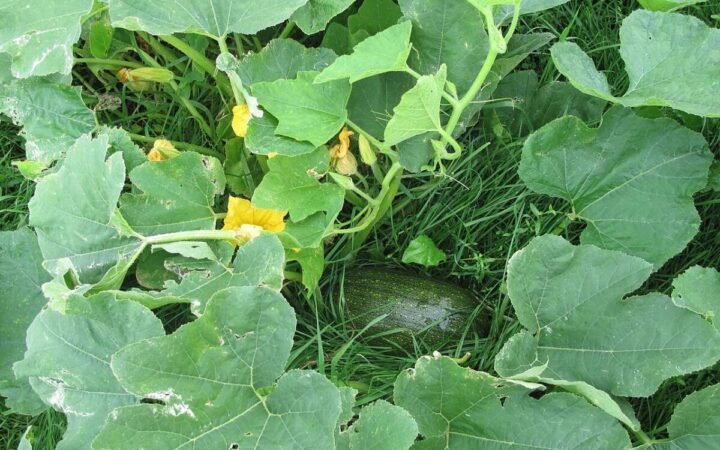
Image credits: Zucchini plant (featured image), Kolforn, CC BY-SA 4.0, Wikimedia Commons. Other credits appear under each photo.
Published by Sajib Saha, a web developer and SEO specialist. This guide is compiled from the extension and NOAA sources named above, not from personal horticultural credentials. See About and our editorial policy.