Published · Updated
Plant green beans outside after the last spring frost, once the soil is at least 60°F four inches down. Clemson Extension and Oregon State University both use 60°F. Penn State accepts 55°F. Beans die from even a light frost, so a warm week in March means nothing.
Beans are one of the easiest vegetables to plant at the wrong time. The seed is big, the soil looks ready, and a sunny weekend makes it tempting. This guide pulls five university extension sources into one plan: a spring date, a soil check, a fall cutoff, and the small choices that decide whether the seed comes up. Cucumbers follow a similar soil rule, but with a warmer target: see when to plant cucumbers outside.
Last verified: November 4, 2026. Sources are listed at the end.
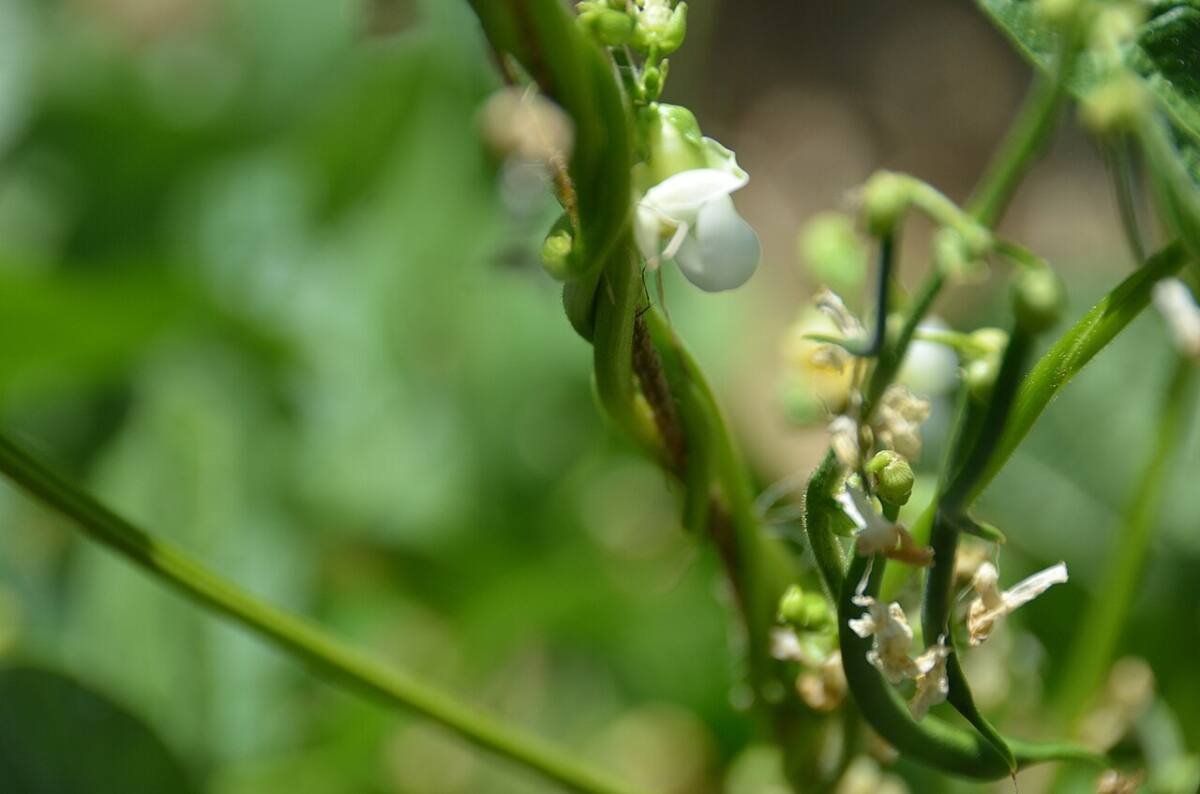
When is it safe to plant green beans outside?
It is safe once frost is behind you and the soil has warmed. Iowa State University Extension says snap beans are a warm-season vegetable and should go in after the danger of frost is past. For central Iowa it names about May 5 as a usual safe start. University of Maryland Extension and Clemson Extension say the same thing in different words: frost damages the plant.
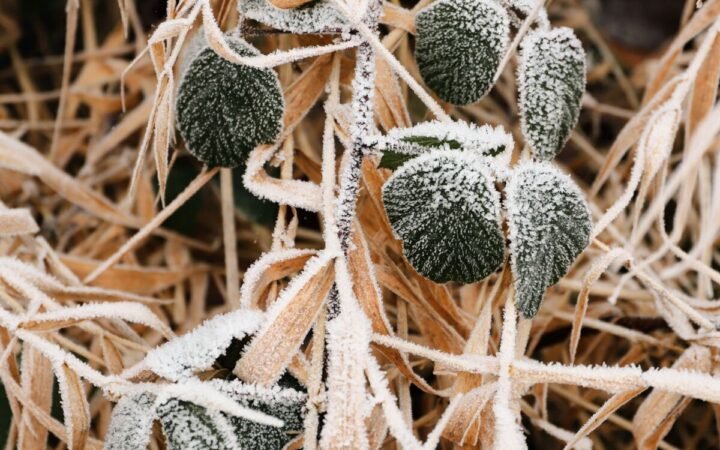
The cost of being wrong is high because beans cannot take a cold hit. Penn State Extension says snap beans “will die from a slight frost.” Clemson Extension says a light frost kills them. A bean seedling that has been frozen is usually finished, and you replant.
A last frost date is the average day of the final spring freeze in a place. NOAA’s National Centers for Environmental Information (NCEI) maps it from the 1991 to 2020 U.S. Climate Normals, which are 30-year averages, and defines it as the most common date range for the last temperature of 32°F or below. NCEI also warns that actual conditions in any one year can vary widely. For how to read that date, see how to use frost dates without treating them as a forecast.
How warm does the soil need to be for beans?
Most sources say 60°F, measured about four inches deep. Clemson Extension says not to plant until the soil reaches 60°F at that depth. Oregon State University’s germination table lists 60°F as the minimum for beans. An Oregon State Extension garden column says beans do best in soil of at least 60°F, though most types will sprout at 50°F.
Penn State Extension is lower. It says to plant when the soil reaches 55°F and the air is at least 60°F. The gap is small. Penn State’s guide is dated 2005 and written for commercial growers, while Clemson and Oregon State write for home gardens. If you want one rule, use 60°F.
The temperature changes how fast seed comes up. Oregon State’s table, written by J. F. Harrington and reviewed in 2024, lists days to emergence for beans planted half an inch deep:
| Soil temperature | Days for seedlings to emerge |
|---|---|
| 50°F or colder | Little or no germination |
| 59°F | 16 |
| 68°F | 11 |
| 77°F | 8 |
| 86°F | 6 |
| 104°F | Little or no germination |
Read that table as a cost. A seed at 59°F sits in the ground for more than two weeks. Every day it sits there, it can rot. Waiting for 68°F cuts that wait to about 11 days. To take a reading, see why soil temperature matters more than a warm afternoon.
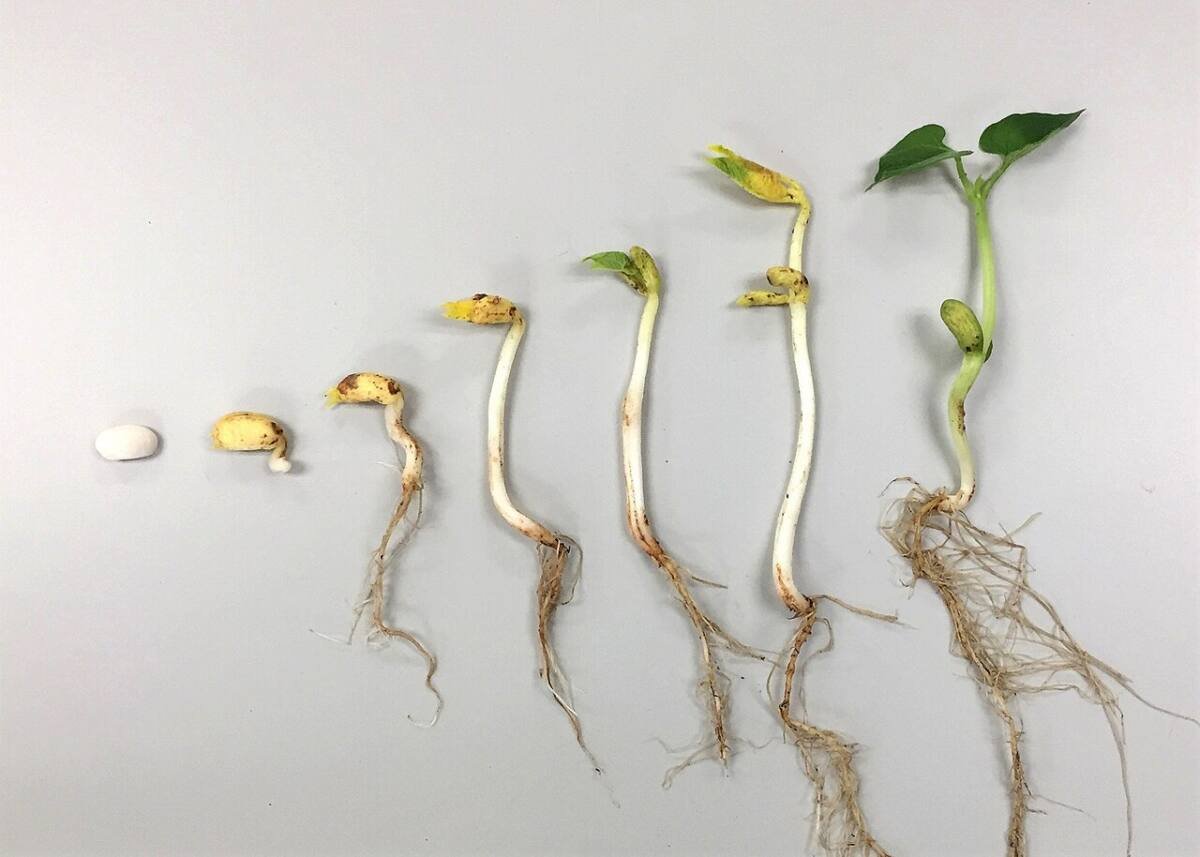
What happens if I plant beans in cold soil?
The seed often fails. Oregon State Extension says seed tends to crack in cooler soil, and that white seeds crack more easily, so darker seeds are the safer pick for early planting. Clemson Extension says treated seed helps against seed rot, especially in cool early plantings. University of Maryland Extension says soaking or sprouting seed before planting in cool spring soil may help prevent soil rot and seed maggots.
Those fixes have limits. They lower the odds of a bad stand. They do not make a cold week safe. If the next 10 days look cold and wet, the seed packet can stay in the drawer. Oregon State’s advice for a cold spring is blunt: wait until late May rather than risk a cold snap.
How do I turn all this into a real planting date?
Use three checks, in this order. First find your 90 percent last frost date. That is the day after which a freeze came in only about one year out of ten. Second, take the soil temperature at four inches on three mornings in a row. Third, glance at the 10-day forecast for lows near freezing.
Here is a worked example. The numbers are made up to show the method, not taken from a real town. Say your 50 percent last frost date is April 25 and your 90 percent date is May 8. The soil reads 52°F, 57°F and 61°F on three mornings in late April.
- The 61°F reading clears the 60°F rule, but a single reading is not a trend. Wait for it to hold.
- April 25 is a coin flip for frost. May 8 is a safer bet. Beans cannot take a frost, so use May 8.
- On May 8, soil is 62°F and the forecast shows lows in the 40s. Plant.
The rule that decides it is the later of two dates: the frost date you trust, or the day the soil reaches 60°F. If you want to push earlier, a cover may help on a cold night, but the seed still needs warm soil. For the line between frost and a hard freeze, see frost vs freeze. Tomatoes and peppers make a useful comparison, since both ask for similar warm nights. See when to plant tomatoes outside and when to plant peppers outside.
Should I choose bush beans or pole beans?
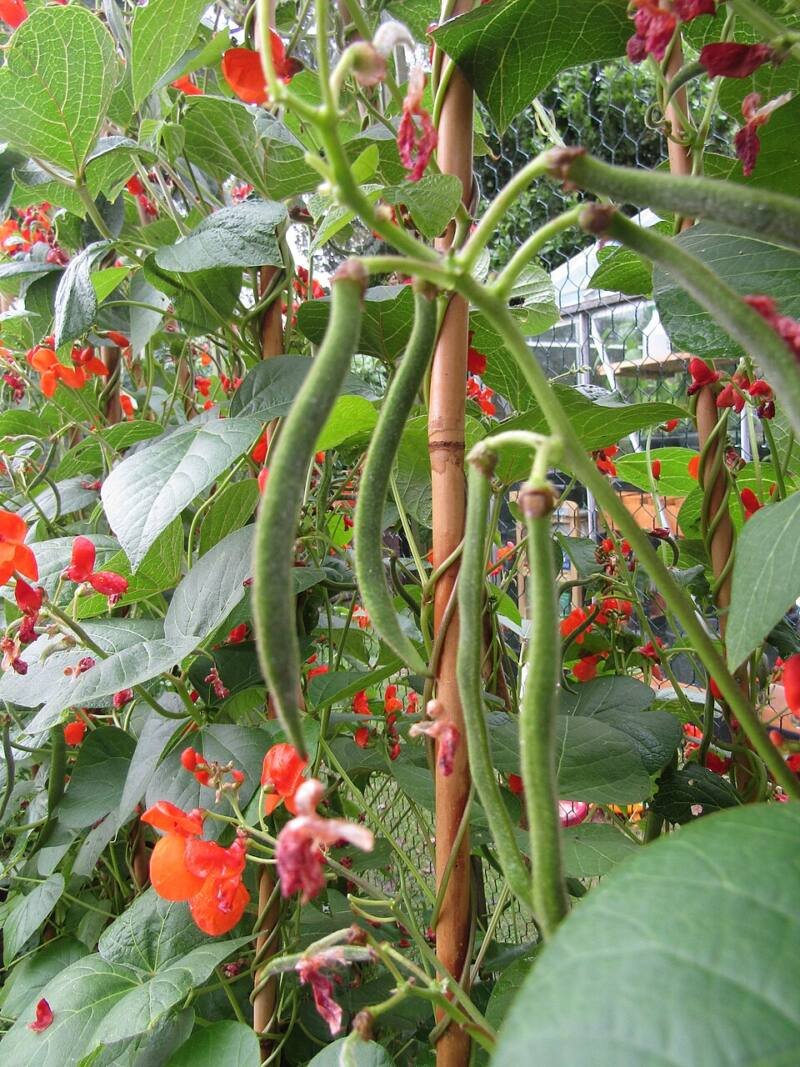
Choose bush beans if you want one big harvest soon. Choose pole beans if you want pods over a longer season and have a place for a trellis. Clemson Extension says bush types are low and need no support. Pole types need a sturdy trellis at least 6 to 8 feet tall that can handle wind and rain.
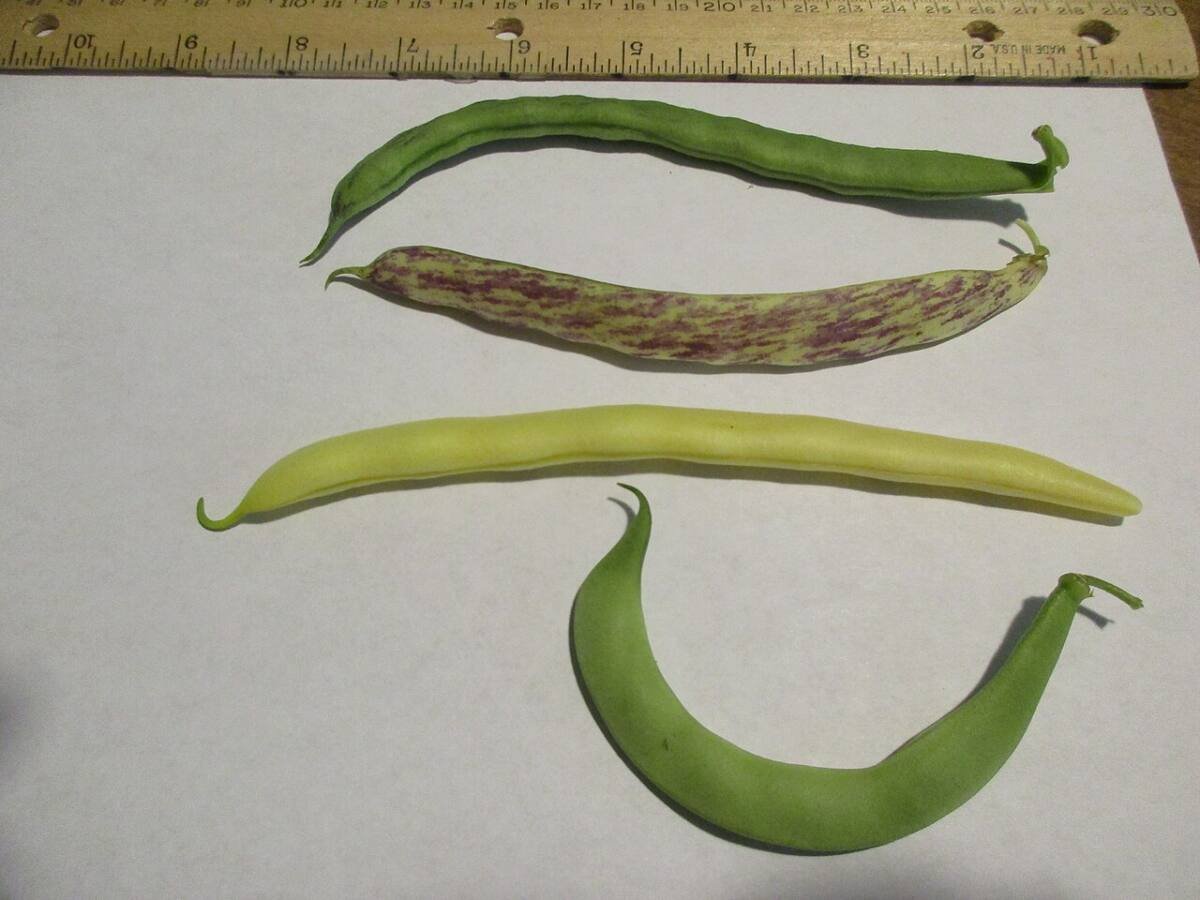
Timing for both types is the same in spring. The difference is how long they take. University of Maryland Extension lists snap beans at 50 to 60 days from sowing and pole beans at 60 to 110 days, so pole beans need a longer frost-free run. Penn State’s variety table shows bush types from 46 days (Golden Rod) to 60 days (Jade II and Maxibel).
| Detail | Bush snap beans | Pole beans |
|---|---|---|
| Days to harvest (Maryland, 2026) | 50 to 60 | 60 to 110 |
| Rows apart (Maryland) | 24 to 30 inches | 24 to 36 inches |
| Seeds apart in the row (Maryland) | 2 to 4 inches | 4 to 8 inches |
| Support | None | Trellis, 6 to 8 feet tall (Clemson) |
How deep should I plant bean seed?
About one inch is the most common answer, with a range from half an inch to one and a half. Clemson and Oregon State both say 1 inch. Iowa State says 1 to 1½ inches for bush beans. Penn State says 0.5 to 1 inch, and 1.5 inches if the soil is dry in June or July. University of Maryland Extension says a quarter to half an inch.
The sources differ because soil differs. In cool, damp spring soil, shallower seed warms faster. In dry summer soil, deeper seed finds moisture. A fair rule: go closer to half an inch in cold, heavy soil and closer to an inch or more in dry, loose soil.
How often should I plant more beans?
Plant a new batch every two to three weeks. Iowa State and Maryland both say two to three weeks. Penn State says every two weeks. Clemson is the shortest at 10 to 14 days. Clemson ties it to a steady supply of pods, and says to pick daily once harvest starts, and the pods keep coming for days or weeks.
For the end of the run, the sources give different stops. Iowa State says up to August 1. Maryland says through mid-to-late July. Penn State says through August. Clemson’s South Carolina dates run from April 15 to July 1 in the Piedmont for the spring crop. The right stop for you depends on your first fall frost, covered next.
What is the last date to plant beans for a fall harvest?
Count back from your first fall frost. Take the days to harvest on your seed packet and add about two weeks for picking. Clemson gives about 55 days to harvest for snap beans and says harvest can last for days or weeks.
Here is a made-up example. Say your average first fall frost is October 10. Add 55 days to harvest and 14 days of picking, which is 69 days. Counting back 69 days from October 10 lands on August 2. That is your last good planting day, and a week earlier is safer. Fall days are shorter and cooler, so Penn State’s note that growth slows below 50°F matters here. The full method is in when to plant a fall garden.
What if it gets too hot after planting?
Heat can cut pod set. Clemson Extension says blossom drop can occur above 90°F, especially with the variety Blue Lake 274, and that pods usually set again when days cool. Penn State says growth slows above 80°F. Its best range is a 60 to 70°F average.
That is why a very late spring planting can disappoint in a hot climate. The plants may flower during the hottest weeks and drop the blooms. Even watering helps, since Penn State says water stress during blossom and pod set can cause blossoms and pods to drop.
Does my yard change the date?
Yes. A low corner where cold air pools can frost while the rest of the yard stays above freezing. A sheltered, sunny spot may warm sooner. If you see big differences across your yard, read garden microclimates and frost. If you are unsure whether to use your hardiness zone or a frost date, see frost date vs hardiness zone. For beans, the frost date and the soil reading do the work.
What mistakes cost the most?
- Planting on the 50 percent frost date. Half of years still see frost after that day. Beans cannot take it. Use the 90 percent date or add a week.
- Trusting air temperature. A warm afternoon says little about the soil four inches down.
- Using a single date for everyone. Iowa State’s May 5 is for central Iowa. It is not a national date.
- Sowing everything at once. One planting gives one burst of pods. Stagger sowings.
- Skipping the forecast after planting. A late cold snap can still kill seedlings. Keep a cover ready for the first two weeks.
Skip this advice if you are growing beans in containers indoors or in a greenhouse. The soil and frost rules apply to outdoor beds.
Frequently asked questions
Can I plant green beans before the last frost date?
It is risky. Penn State Extension says snap beans will die from a slight frost, and Clemson Extension says a light frost kills them. Wait until after your last frost date, or cover the row on cold nights.
What soil temperature do green beans need to sprout?
Clemson Extension and Oregon State University use 60°F as the minimum. Penn State Extension uses 55°F. Oregon State says most beans sprout at 50°F but the seed tends to crack.
How long do green beans take to come up?
Oregon State’s table says about 16 days at 59°F, 11 days at 68°F, 8 days at 77°F and 6 days at 86°F. Warm soil makes a big difference.
How many days until green beans are ready to pick?
University of Maryland Extension lists 50 to 60 days for snap beans and 60 to 110 days for pole beans. Clemson Extension says about 55 days, depending on variety.
How often should I plant more green beans?
Every two to three weeks, according to Iowa State and Maryland. Clemson says every 10 to 14 days. Stop in time for the crop to finish before your first fall frost.
Is it too late to plant green beans in July?
Not always. Maryland says plantings can continue through mid-to-late July, and Iowa State says up to August 1. Count back from your first fall frost to check your own date.
Sources
- Iowa State University Extension, When can I plant snap beans in the garden? (last updated December 3, 2024)
- Oregon State University Extension, Soil temperature conditions for vegetable seed germination (J. F. Harrington, 2013, reviewed 2024)
- Oregon State University Extension, Grow crisp, flavorful beans in your home garden (reviewed 2025)
- Clemson Cooperative Extension, Bush & Pole-Type Snap Beans, HGIC 1302 (updated January 2023)
- University of Maryland Extension, Growing Beans in a Home Garden (updated January 2026)
- Penn State Extension, Snap Bean Production (2005; older, written for commercial growers)
- NOAA National Centers for Environmental Information, When to Expect Your Last Spring Freeze (based on 1991 to 2020 U.S. Climate Normals)
Image credits
- Green bean plants: Rob Bertholf, CC BY 3.0, via Wikimedia Commons.
- Bean germination: B. Domangue, CC BY-SA 4.0, via Wikimedia Commons.
- Four bean varieties: Christopher Franz, CC BY-SA 4.0, via Wikimedia Commons.
- Runner bean plants: Kolforn, CC BY-SA 4.0, via Wikimedia Commons.