Published
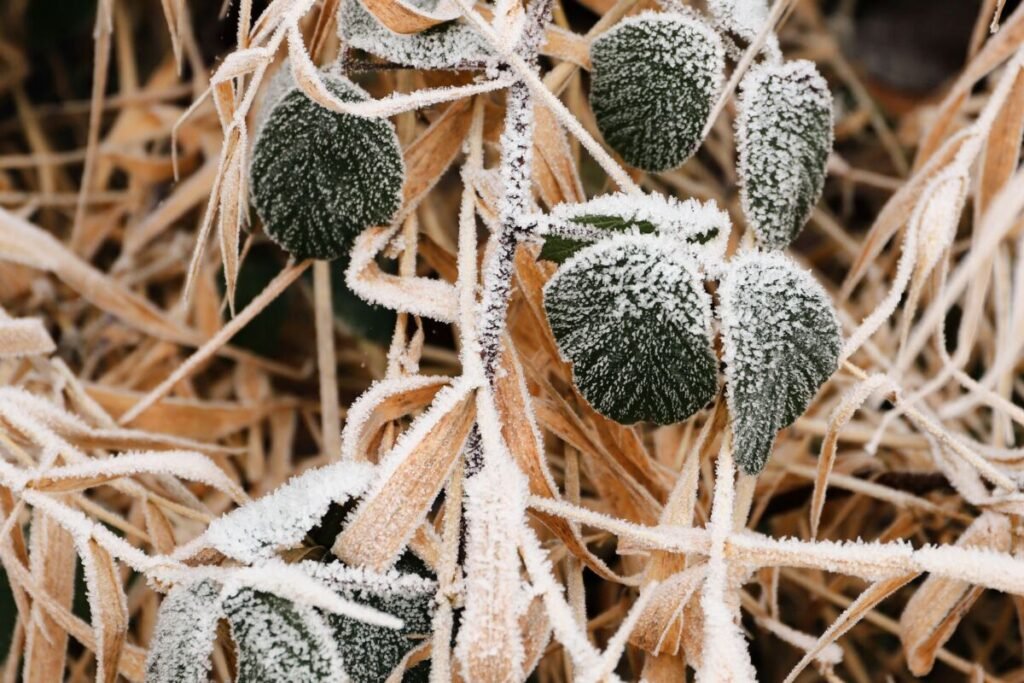
A garden microclimate is a small patch of your yard where nights run colder or warmer than the weather station nearby. Low spots collect cold air, and walls, pavement and water hold heat. Purdue Extension (2023) says frost pockets can run up to 15°F cooler than nearby high ground on clear, calm nights.
Last verified: November 1, 2026. The facts below come from Purdue Extension, the National Weather Service, Washington State University Extension, the University of Georgia, New Mexico State University, and UC Marin Master Gardeners. The Royal Horticultural Society is used for two points about walls and fences. All are listed at the end.
What is a garden microclimate, and why does it change my frost date?
A microclimate is the local weather in one small area, such as a single bed or one side of the house. A frost date is a long-term average from a weather station. Purdue’s frost maps, for example, use 1991 to 2020 averages. Washington State University Extension (Claudia Wells, 2019) notes that climate data are averaged over about 30 years.
So the date you get for your zip code describes the station, which may be an airport miles away. Your back corner can be a few degrees colder or warmer. If you have not looked up your date yet, the GardenClock frost date lookup gives you the starting point. Then see how to use frost dates without treating them as a forecast for what the date can and cannot tell you.
A microclimate is not the same as a hardiness zone. A zone describes how cold winter gets. It says nothing about the last frost in spring. The post on frost date vs hardiness zone explains the split.
Why does frost hit low spots first?
Cold air is heavier than warm air, so it flows downhill and settles in low places. The University of Georgia Extension climate blog (2016) says this creates local frost pockets in spots that might otherwise stay frost-free.
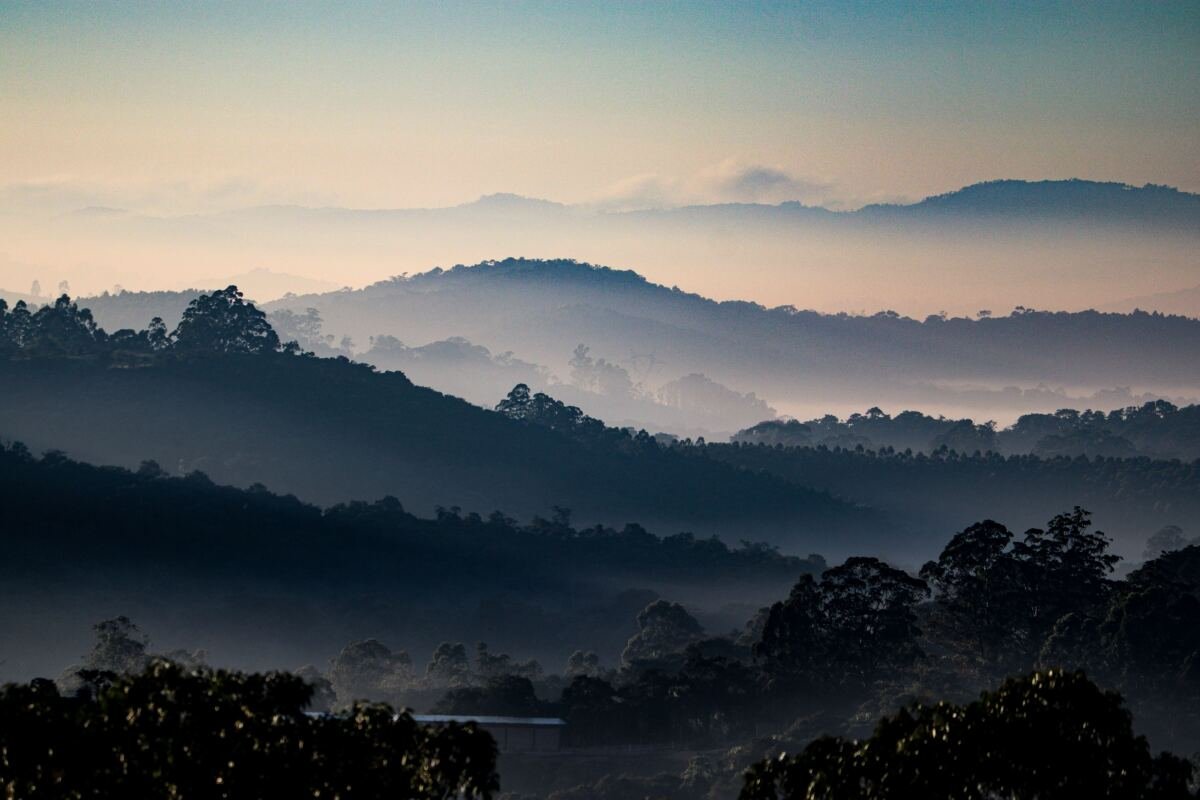
The effect is strongest on clear, still nights. The National Weather Service office in Charleston, West Virginia says the ground loses the most heat to the sky when skies are clear and winds are light. It also says frost is less likely when clouds are thick or winds reach about 6 mph. The same page says valleys carry the highest frost risk, because cold air sinks into them and they are sheltered from wind.
Purdue Extension (2023) gives a number. On clear, windless nights, air in frost pockets can be as much as 15°F cooler than the nearby high ground. Its example is the Kankakee River Valley in Indiana. That is a best-case night for cold air, not an everyday gap.
You do not need a valley to get a frost pocket. The Royal Horticultural Society says cold air can pool behind a fence or hedge on a slope. Gaps in the barrier let the air drain away.
Why can frost form when the forecast low is 36°F?
Forecast lows are measured about 5 feet above the ground, according to the National Weather Service in Charleston. The coldest air sits close to the soil, where it can be several degrees colder. That is why the Weather Service issues a Frost Advisory when minimums are forecast around 33°F to 36°F and frost is widespread.
Purdue adds that airport readings often do not match field temperatures, especially in frost pockets. If your forecast low is 36°F, treat tender plants in your lowest bed as at risk. The difference between frost and a hard freeze matters here too, and frost vs freeze covers which plants each one hurts.
Which parts of a yard run warmer or colder?
Each feature below has a reason behind it. The table lists what each does, who says so, and how a gardener can use it.
| Spot | What it does | Source | How to use it |
|---|---|---|---|
| South-facing wall | Heats up by day and gives off warmth at night | Royal Horticultural Society; Washington State University Extension (2019) | Try a warm-season crop here, but keep covers handy |
| Pavement, gravel, rock, decks | Store heat and give back a little at night | UC Marin Master Gardeners | The gain is small, so do not count on it |
| Under a tree or roof | Blocks heat from escaping to the sky | University of Georgia Extension (2016) | Better frost cover for pots and tender plants |
| Near a large lake | Within several miles of Lake Michigan, the average first fall freeze comes about 2 to 3 weeks later | Purdue Extension (2023) | Expect a longer fall season near big water |
| South-facing slope | Warms earlier and gets warmer than a north-facing slope | Purdue Extension (2023) | Good for early crops |
| North side of the house | Stays cooler; cold air can pool behind north-facing structures | New Mexico State University (2021); UC Marin Master Gardeners | A spot for lettuce, spinach and cabbage |
| Windy, open ground | Wind mixes warmer air down to the surface, so frost is less likely | University of Georgia Extension (2016) | Light wind on a cold night can help |

A warm wall has a catch. The Royal Horticultural Society says walls also keep off rain and leave a dry strip up to about a metre wide at the base, so plants there need watering. And New Mexico State University (Marisa Thompson, 2021) passes on advice from Dr. George Dickerson (2001) to grow melons near a south-facing block wall for extra warmth, but to put cool-season crops on the north side of the house.
Soil changes the picture too. Purdue says wet soil holds more heat than dry soil, clay warms slowly in spring and cools slowly in fall, and sandy soil does the opposite. Soil temperature is its own check, covered in why soil temperature matters more than a warm afternoon.
How much can a microclimate move your planting dates?
No source gives one number that works everywhere. What the extension sources give are examples. Lake Michigan shifts the average first fall freeze by about 2 to 3 weeks nearby. Washington State University says spring arrives about one day later for every 100 feet you climb. Frost pockets can run up to 15°F colder on the best nights for cold air.
Here is a made-up example to show the thinking. Say your lookup gives May 5 as the average last spring frost. You have two beds. Bed A sits at the bottom of a slope behind a fence. Bed B is against a south-facing wall.
- For Bed A, plan on frost arriving later than the average and wait an extra week or so before tender plants go in. This is a gardener’s rule of thumb, not an extension number.
- For Bed B, keep the same planting date. Treat the wall’s warmth as a safety margin, not a head start. A cold night can still beat it.
- Check both beds against a thermometer reading before you decide anything for next year.
For a crop with a clear temperature need, such as tomatoes, the tomato planting guide shows how to combine soil, night lows and frost. Starting seeds indoors? The date you count back from is still your frost date, so see when to start seeds indoors.
How do you find the cold spots in your own yard?
You can map your yard in a few weeks with a pencil and two or three cheap thermometers. Follow these steps:
- Walk the yard on the first clear, calm morning when the low is near freezing. UC Marin Master Gardeners say to check for frost when the early morning temperature is around 32°F. Note where frost lies on grass, roofs and cars, and where it has already melted.
- Sketch the yard. Mark slopes, low points, fences, hedges, walls, paved areas and trees. The Royal Horticultural Society suggests asking whether cold air can flow in from higher ground, and whether it can drain away or will collect.
- Put a minimum thermometer at plant height in three places: your lowest bed, a middle bed and your warmest spot. Purdue says to place thermometers in the crop canopy and to check that they read correctly. A simple check is to put the probe in a glass of ice and water. It should read close to 32°F.
- Write down each morning’s low for two to three weeks in spring or fall. Compare it with the forecast low for your town.
- Look for the pattern. If your low bed reads 4°F below the middle bed on most clear nights, that bed needs more care than the lookup suggests.
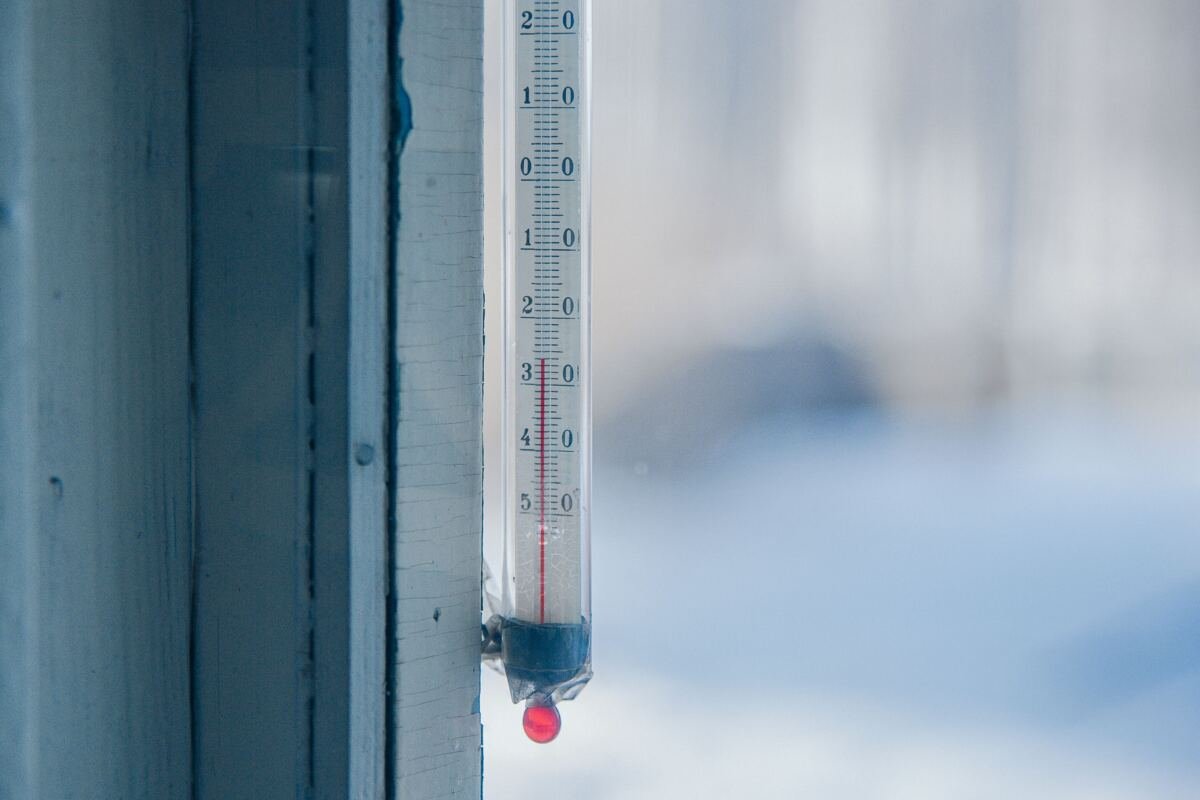
One reading on one night proves little. Cloudy or windy nights hide the gap. Wait for a few clear, still nights before you trust the pattern.
What can you do about a frost pocket?
You have three options: let the cold air out, plant around the problem, or add cover.
Let the air drain. The Royal Horticultural Society says gaps in a fence or hedge can ease a frost pocket. On large sites, Purdue says cutting a strip 75 to 100 feet wide through woods at low points lets cold air drain from an orchard. Most home yards cannot do that, but a gap in a solid fence costs little.
Plant around it. Put tender crops on the higher or warmer side. Purdue says early-blooming fruit varieties face more risk than late-blooming ones, so choose late bloomers where late spring frosts are common. For wet low ground, Purdue lists raised beds, ditches or tile as ways to improve drainage.
Cover on risky nights. When the forecast low is close to a plant’s limit, throw a sheet or row cover over the bed, and take it off in the morning. Which cover gives how much protection is a separate question that deserves its own guide.
What mistakes do gardeners make with microclimates?
- Trusting the airport reading for the whole yard. Purdue warns that station readings may not match what plants feel in a frost pocket.
- Moving the planting date on one mild spring. One warm year is luck. Use two or three seasons of notes.
- Treating a south wall as frost-proof. It adds warmth, not a guarantee.
- Forgetting water. The dry strip at the base of a wall dries seedlings fast.
- Putting the thermometer on the house wall. It reads the wall, not the plants. Hang it at plant height instead.
When can you skip this?
Skip the mapping if your yard is small, flat and open, or if you grow only in pots you can carry indoors. In those cases, use the official frost date and watch the forecast low. The extra work pays off most on sloped lots, lots with fences or hedges at the bottom of a slope, and yards with fruit trees that bloom early.
Frequently asked questions
What is a frost pocket?
A frost pocket is a low spot where cold air settles on clear, calm nights. Purdue Extension (2023) says air there can be up to 15°F cooler than nearby high ground.
How much colder is a low spot than the forecast?
It depends on the night. The National Weather Service says forecast lows are measured 5 feet up, and the air near the soil can be several degrees colder. Purdue puts the gap at up to 15°F on the best nights for cold air.
Does a south-facing wall stop frost?
It helps, but it does not guarantee safety. The Royal Horticultural Society says south walls give off warmth at night, which helps prevent frost. A hard freeze can still beat it.
Where should I put a thermometer to find cold spots?
Put it at plant height, in the crop canopy, in two or three places. Purdue also says to check that it reads correctly. Skip the house wall, which gives a reading for the wall, not the plants.
Do I need a different frost date for each bed?
No. Use your lookup date as the base. Then adjust a bed only after you have a few weeks of your own low readings that show it runs colder or warmer.
Do city yards get less frost than suburban ones?
Often yes. The University of Georgia Extension (2016) says pavement and urban surfaces hold heat, so suburbs often report frost while downtown areas stay frost-free.
Sources
- Purdue Extension, Effects of Cold Weather on Horticultural Plants in Indiana, HO-203-W (Hans Schmitz and B. Rosie Lerner, revised July 2023)
- National Weather Service Charleston, WV, Frost and Freeze Information
- Washington State University Extension, Microclimates (Claudia Wells, June 7, 2019)
- University of Georgia Extension, Climate and Agriculture in the Southeast, Microclimates of frost (March 20, 2016)
- New Mexico State University, Southwest Yard and Garden (Marisa Y. Thompson, December 4, 2021)
- UC Marin Master Gardeners, Garden Site Microclimate Evaluation Form (no date given)
- Royal Horticultural Society, Microclimates: assessing your garden (UK source, no date given)
The sources cover different regions and years, so their numbers are examples, not a formula for your yard. Your own thermometer is the best check.
Image credits: frost photo by Christina & Peter, valley mist photo by William Carvalho, brick wall photo by Dom J, and thermometer photo by Ivan Babydov, all from Pexels under the Pexels License.