Published · Updated
Most frost nights are survivable if you prepare for them. The work is simple: know which crops are at risk, water the bed, cover before dark and uncover in the morning.
Decide what needs protection
Check the frost tolerance of your crops. NC State Extension suggests covering semi-hardy crops when temperatures are forecast below 30°F and hardy crops below 25°F. Tender crops like tomatoes, peppers and squash need covering when 32°F is forecast. The Old Farmer’s Almanac points out that frost can form on plants even when the air temperature reads as high as 38°F, and that first frosts tend to come on clear, calm nights, so check the forecast for wind and cloud as well as the low.
Water the bed first
NC State Extension recommends watering plants before freezing temperatures arrive, and says moist soil holds heat better than dry soil. Water in the afternoon or a day ahead without soaking the bed.
Cover before sunset
Use row cover, a frost blanket, or even a bed sheet over tender plants, as NC State Extension advises, and remove it in the morning once temperatures rise. A wet row cover can sometimes cause more damage than no cover, according to University of Georgia Extension, so cover before dew or rain soaks the fabric. Support covers on hoops or stakes so the fabric does not rest on leaves, since leaves touching the cover can freeze.
How much protection to expect
- Lightweight row cover keeps plants about 2 to 5°F warmer than outside air, which is enough for a light frost, according to Harvest to Table
- Medium-weight covers protect plants to about 28°F by the same source
- University of Georgia Extension says row covers can provide as much as an 8-degree temperature difference
These numbers are best cases. A cover traps heat from the ground, so it works best over moist soil on a calm night and does little in strong wind or a deep freeze.
Plastic: use with care
Plastic can work only on a frame so it does not touch the plants, and it must come off early. University of Georgia Extension warns to remove plastic early in the morning, before the sun overheats the plants.
If you cannot cover
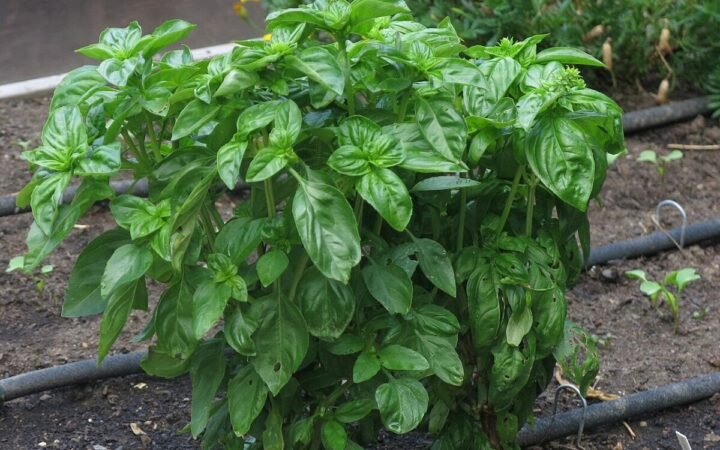
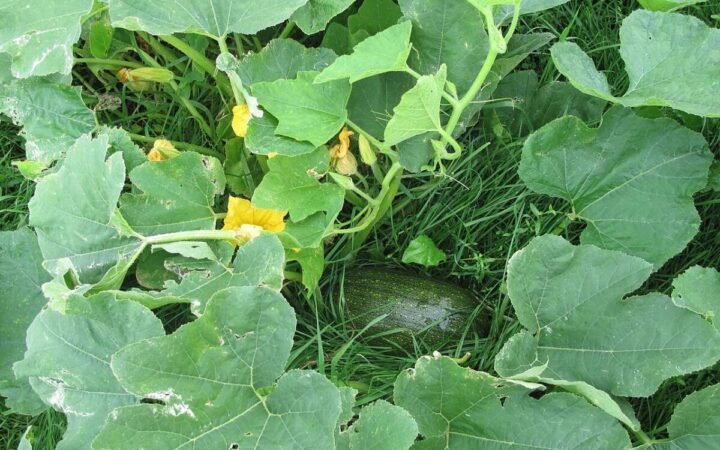
- Harvest tender crops before the frost: peppers, tomatoes, squash and basil
- Let hardy crops stay. Kale, spinach and Brussels sprouts often taste better after frost
- After a frost, wait before judging damage. Plants that survive usually keep growing
Reduce the risk with timing
Planting after your last frost lowers the odds of needing covers at all. Read frost vs freeze, compare dates in frost date probabilities explained and see how microclimates change your risk in low spots or near walls. For plants in pots, the timing is different. See when to bring plants inside for winter.
Sources
- NC State Extension: How do I protect my garden from frost?
- NC State Extension: Before the freeze
- University of Georgia: Cold protection options
- Old Farmer’s Almanac: Protecting the garden from frost
- Harvest to Table: Row covers
Covers must reach the ground
University of Georgia Extension says that whichever material you use, covers must reach the ground and be anchored to trap heat radiating from the soil. Cloth sheets, blankets and row cover fabric all work on this principle. Heat stored in the soil during the day is what keeps the air near plants above freezing, so a cover hanging above bare air does little.
How much protection to expect
UGA Extension reports that row covers can provide as much as an 8-degree temperature difference, which can be the difference between saving and losing a crop. It also notes that a light floating cover over a crop provides only a few degrees. Plan for a modest gain and not for protection from a hard freeze. Check where your crop sits on the frost tolerance list before deciding to cover.
Plastic, wet covers and overheating
UGA advises avoiding plastic covers unless a support such as wire or plastic hoops keeps the material off the plants, because foliage in contact with the material can freeze. It also says to remove plastic early in the day before sun overheats plants, and that wet row covers can sometimes cause more damage than no cover at all. Temperatures under covers can get warm even on cool days, so check them.
Does watering before a frost help?
UGA calls this half true. A well-watered soil area can keep the air just above the soil warmer, but only during a frost and only by a few degrees. Iowa State Extension adds that if the temperature drop is not large, watering plants early the next morning may help tender plants that were left uncovered. Neither replaces a cover when a hard freeze is forecast.
Plan before the forecast
Hardening off and timing reduce the chance you need any of this. Use the frost date probabilities to choose a safer planting date, and harden off seedlings before they go outside.
More sources
- University of Georgia Extension: Cold protection options
- University of Georgia Extension: Frost myths and row covers
- Iowa State University Extension: The first frost
Published by Sajib Saha, a web developer and SEO specialist. This guide is compiled from the extension and NOAA sources named above, not from personal horticultural credentials. See About and our editorial policy.