Published
To find your last fall planting date, start with your average first fall frost date. Subtract the crop’s days to maturity from the seed packet. Then subtract extra days for slower fall growth: extension services suggest about 7 to 14 days. Add two more weeks for frost-tender crops such as beans and tomatoes.
Last verified: October 30, 2026. The formulas and numbers below come from Virginia Tech, University of Nebraska-Lincoln, University of Tennessee, Purdue, Penn State, Missouri Botanical Garden and University of California sources, listed at the end with their dates.
How do you work out a fall planting date?
You count backward from the day frost usually arrives. The first fall frost date is the average day when the first frost shows up in your area. Start there and subtract the days a crop needs, plus a cushion.
Here are the steps, using the method Virginia Tech Cooperative Extension publishes:
- Find your average first fall frost date. If you have not looked it up yet, use the GardenClock frost date lookup.
- Write down the crop’s days to maturity from the seed packet. Days to maturity means the days from planting a seed or transplant to the first harvest.
- Add the days you will spend picking, if the crop gives several harvests.
- Add the fall factor, about 14 days in Virginia Tech’s method.
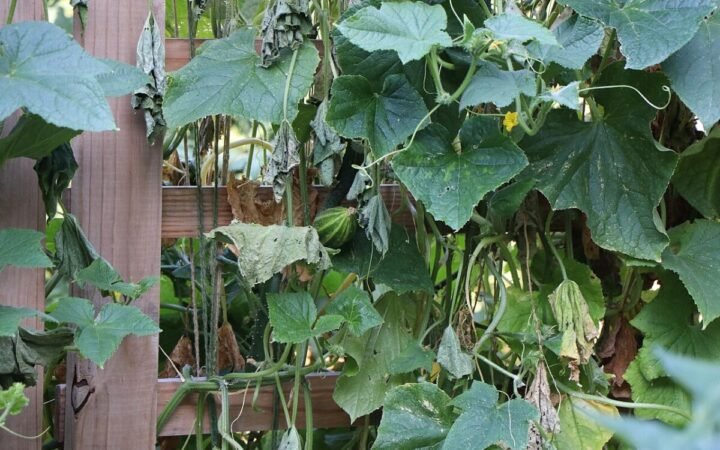
- Add 14 more days only if the crop is killed by frost. Virginia Tech and University of Nebraska-Lincoln both name corn, beans, cucumbers, tomatoes and squash.
- Count back that many days from the frost date. The result is your last planting day.
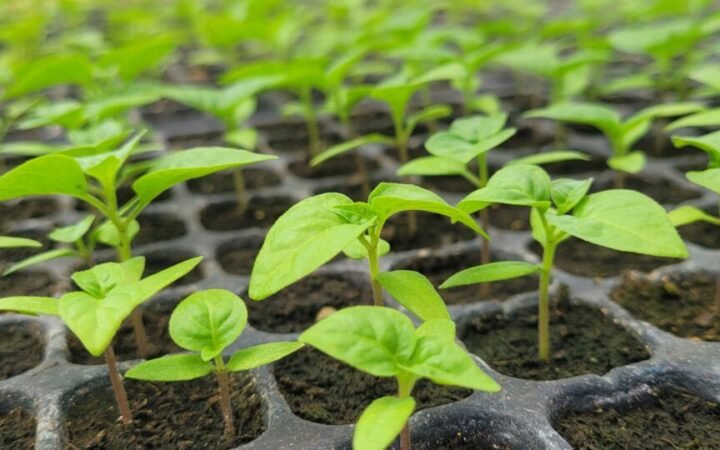
If you grow your own transplants, Virginia Tech says to add the days it takes to grow them too. Nebraska says seedlings grow in 5 to 6 weeks.
Why do crops need extra days in fall?
Fall days get shorter and cooler, so plants grow more slowly than the seed packet says. Missouri Botanical Garden puts it plainly: crops always take longer to mature in the shorter days and cooler temperatures of autumn. Seed packets are usually written with spring or early summer planting in mind. Penn State Extension (2025) says days to maturity figures assume spring planting.
The effect gets stronger the later you plant. A seed sown in July grows under long, warm days for a few weeks. A seed sown in late August faces falling light almost from the start. The University of California Master Gardeners of Sonoma County use a daylight cutoff for this reason: they treat the date when daylight drops under 10 hours (November 18 in Sonoma County) as the latest possible target.
Why do extension services add different numbers of days?
Each service tested its rule in its own climate, so the cushions differ. Nobody has one right number. The table shows what each source says, in its own region.
| Source | Extra time for fall | Notes |
|---|---|---|
| Virginia Tech Extension (2009) | Fall factor of about 2 weeks | Plus 2 weeks for frost-tender crops. Presprouting seeds can cut 2 to 5 days. |
| University of Nebraska-Lincoln (2012) | Fall factor of about 14 days | Plus 14 days for frost-tender crops, which must mature at least two weeks before frost. |
| Missouri Botanical Garden | 7 days for germination plus 14 days for short days | Plus 21 days for transplants. Based on a first frost near October 20 in the St. Louis area. |
| University of Tennessee (1999 revision) | About 10 days | Warm-season crops should start maturing at least two weeks before frost. |
| Penn State Extension (2025) | About 1 week for quick crops, more for slow ones; its broccoli example adds 10 days | Written for Zone 7a, where average first frost runs October 29 to November 15. |
| UC Master Gardeners of Sonoma County | 7 to 14 days | Uses the earlier of the average first freeze or November 18. |
Purdue Extension (reviewed 2019) takes a different route. It gives a table of last planting dates for short-season varieties in northern and southern Indiana instead of an add-on formula. That table already bakes in the slow-down.
So which one should you use? Pick the cushion closest to your climate and add more if your fall turns cold fast. A warm, long fall can run on 7 days. A fall that drops to freezing early needs the full 14. If in doubt, take the longer number. A crop that finishes early costs you nothing.
What does a worked example look like?
Penn State gives a clean one. Gypsy broccoli lists 65 days to maturity. Add 10 days for shorter daylight and you get 75 days. Counting back 75 days from an average first frost of October 17 lands on August 3, the last day to plant.
Here are three more, using the Virginia Tech method with an assumed first frost of October 15. These are my own calculations for illustration, not published planting dates, and the seed packet numbers are examples. Use your own packet.
| Crop (example packet) | Days to maturity | Fall factor | Frost-tender factor | Total days back | Last planting day |
|---|---|---|---|---|---|
| Leaf lettuce, 45 days | 45 | 14 | 0 | 59 | August 17 |
| Kale, 55 days | 55 | 14 | 0 | 69 | August 7 |
| Bush beans, 55 days | 55 | 14 | 14 | 83 | July 24 |
The bean row shows why frost-tender crops are the first to run out of time. They need the longest runway, and they cannot finish after frost.
Frost-hardy crops get a break. The University of Tennessee says frost-tolerant vegetables can mature up to two weeks after the first frost date. Its example: with a first frost of October 15 and turnip greens at 40 days (plus 10 for fall), the target harvest date is October 30 and the last planting date is September 10.
Which fall vegetables can handle frost?
Hardy crops take frost, semi-hardy crops take a light frost, and tender crops die. Purdue sorts them this way:
| Group | What it survives | Examples (Purdue) |
|---|---|---|
| Tender | Damaged by light frost | Beans, cucumber, tomato, squash, sweet corn |
| Semi-hardy | Light frost | Beets, carrot, lettuce, spinach, turnip |
| Hardy | Hard frost | Broccoli, Brussels sprouts, cabbage, kale, peas |
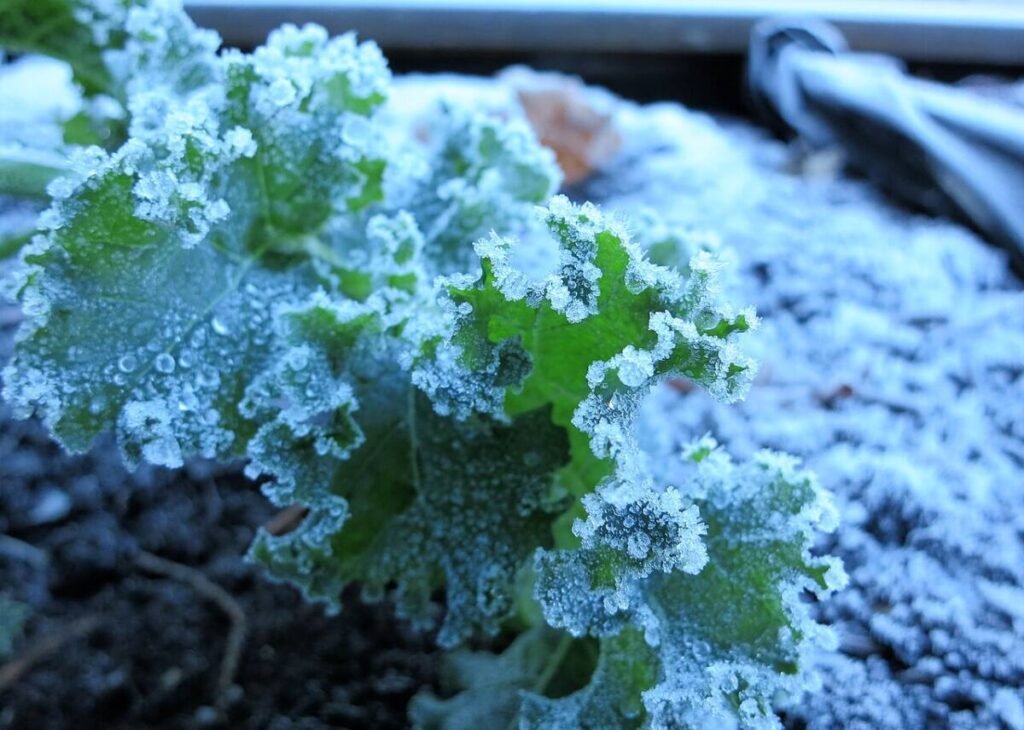
University of Nebraska-Lincoln gives numbers for the groups. Semi-hardy vegetables tolerate light frost at 30 to 32°F. Hardy vegetables survive several frosts but die near 20°F. Penn State adds that many cold-hardy winter varieties can tolerate temperatures down to the mid-20s or lower.
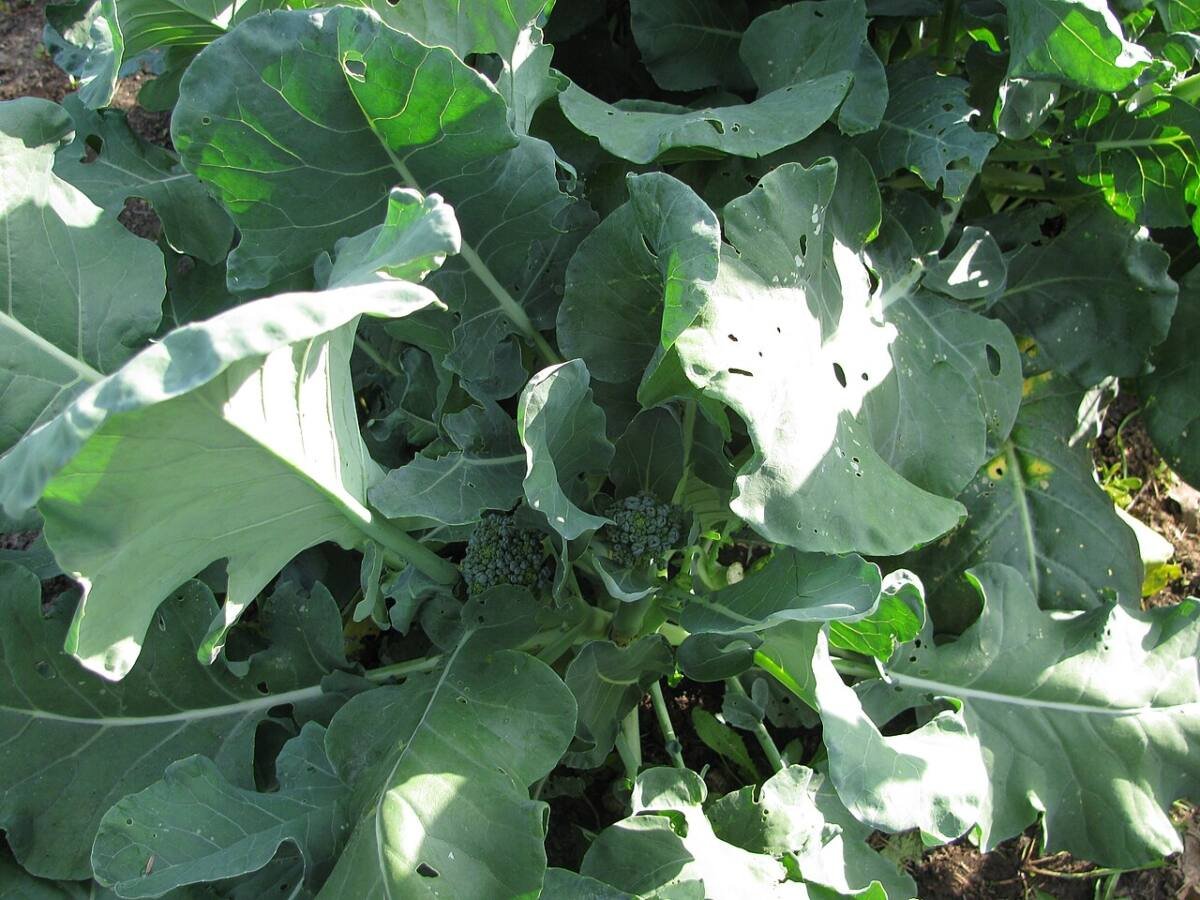
Cold can even help the taste. Penn State explains that as temperatures drop, starches and proteins in cold-tolerant plants break down into sugars and amino acids, which act like antifreeze and make many cool-season vegetables taste sweeter. Purdue also notes that broccoli, cauliflower and Brussels sprouts tend to have better quality and flavor when they mature in cool weather.
For the difference between a light frost and a hard freeze, see our post on frost versus freeze.
Which first frost date should you count back from?
Use the average date, then decide how much risk you accept. Purdue notes that its map date carries a 50 percent chance of frost. That means in about half of years, frost comes earlier. Purdue adds that the chance of a 32°F night two weeks before the average date is about 10 percent.
For tender crops, count back from a date a week or two before the average. A bean crop caught by an early frost is lost. A kale crop is not. If you want more on reading these numbers, see how to use frost dates without treating them as a forecast. Our data sources page explains where GardenClock’s frost estimates come from.
Nebraska also points out that the first fall frost is often followed by two to three weeks of warmer weather. A frost is not always the end of the season. Cover tender plants for that first cold night and you may get weeks more.
What goes wrong with fall planting in summer heat?
Seeds sown in hot soil often fail to sprout. University of Nebraska-Lincoln says soil above 85°F hinders germination of lettuce, peas and spinach. Penn State lists germination ranges: lettuce 40 to 80°F, and broccoli and most other brassicas 55 to 75°F. Poor germination often shows up at both ends of a range.
Missouri Botanical Garden suggests some fixes. Water the site a day before sowing, since hot, dry soil slows germination. Sow slightly deeper than you would in cool soil. Cover the seeds with burlap, boards, wet newspaper or fabric until they sprout. It also says chilling lettuce and spinach seed in the refrigerator for several days may improve sprouting. Virginia Tech and Nebraska both say to sow about twice as deep as in spring.
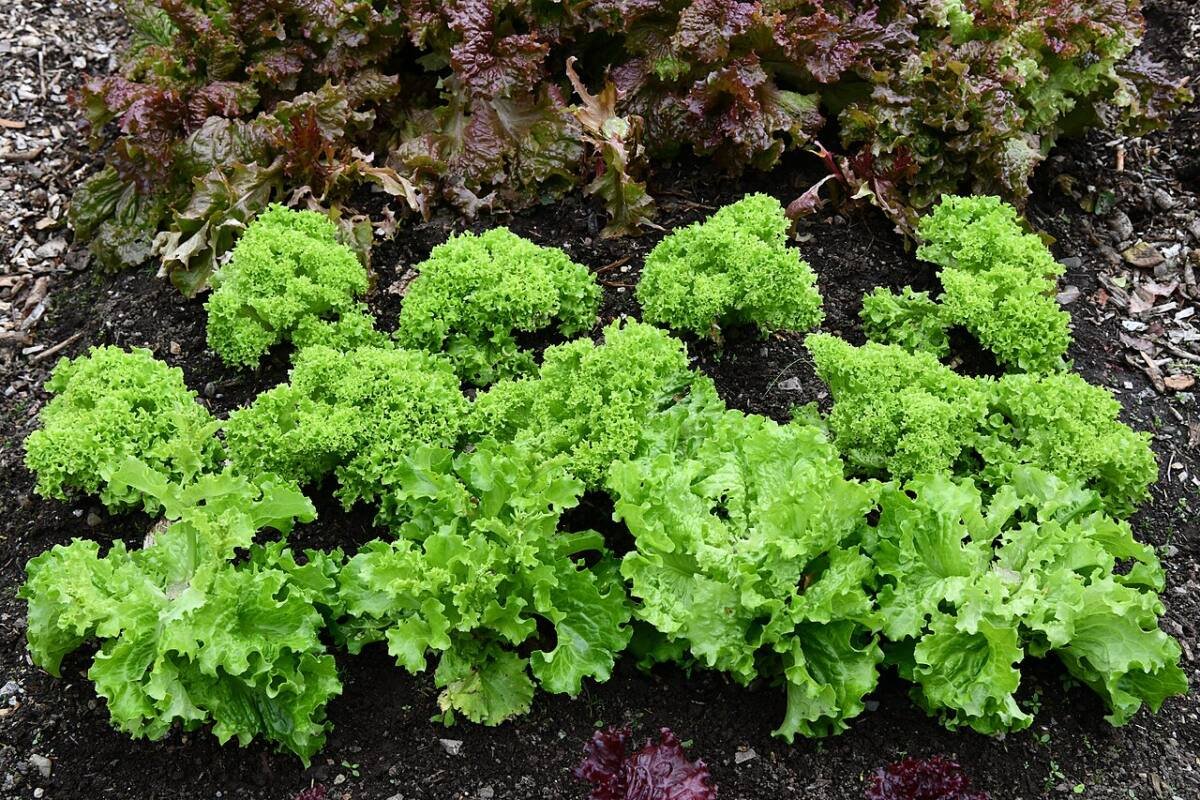
For brassicas like mustard and Chinese cabbage, Penn State says starting seeds indoors and transplanting works better in late summer. Soil temperature is a bigger factor than most people expect. Our post on why soil temperature matters more than a warm afternoon covers how to check it.
What if you are already past your planting date?
If it is late October and your date has passed, you still have a few options. They depend on your frost date and crop.
- Plant garlic. It goes in after the first frost, not before. See when to plant garlic.
- Sow a cover crop. Virginia Tech says winter cover crops can go in from August 1 but should not be planted later than November 1.
- Use a row cover on hardy crops. Penn State says row covers add a few degrees of warmth and can extend the season by a few weeks in some years. Vent plastic tunnels on sunny days so they do not overheat.
- Mulch overwintering crops. Virginia Tech lists kale, spinach, evergreen bunching onions, lettuce, parsley, parsnips, carrots and salsify as crops that can stay in the garden through winter, and says to mulch them with 8 inches of mulch to prevent heaving of the soil. Heaving is when freezing and thawing push plants up out of the ground.
- Plan ahead. Run the numbers with the fall planting calculator next summer, when dates are still open.
Skip this advice if you garden where hard freezes do not come at all. The extension sources here are written for places with a real fall frost, and the timing rules may not fit frost-free areas.
What are the common mistakes?
Most failures come from a few habits. These are the ones the sources point to.
- Counting from the seed packet alone and skipping the fall factor. Plants then finish after frost.
- Giving tender crops the same cushion as hardy ones. Beans and squash need the extra two weeks.
- Planting a long-season variety. Purdue and Nebraska both say to pick short-season or fast-maturing varieties for fall.
- Waiting to buy seed. Purdue warns that fall seed may sell out and some garden centers do not stock fall transplants.
- Letting new seedlings dry out. Purdue recommends about 1 inch of water a week and says seedlings may need water more often in their first one to two weeks. Give transplants light shade for the first few days.
FAQ
What is the fall factor?
It is the extra time added to a crop’s days to maturity because fall growth is slower. Virginia Tech and Nebraska use about 14 days. Tennessee and Penn State use about 10. Sonoma County’s Master Gardeners use 7 to 14.
Do seed packet days count from seed or from transplant?
It depends on the packet, so read it. Penn State says the number of days to maturity is the same whether you put a seed in the ground or start with a transplant. Sonoma County’s Master Gardeners say to add germination days if you direct-sow a crop that is normally transplanted.
Can I plant tomatoes for a fall crop?
Nebraska says mid-summer plantings of short-season tomatoes can give fruit just before frost. Tomatoes are frost-tender, so they must mature at least two weeks before frost, and the formula needs the extra 14 days.
How late can I plant lettuce or spinach?
Purdue’s table gives August 25 (northern Indiana) and September 5 (southern Indiana) as last feasible dates for leaf lettuce and spinach, each at 40 days to maturity. Your date will differ with your frost date.
Is it too late to plant a fall garden at the end of October?
In most places with a regular fall frost, yes for most vegetables. Your options are garlic, cover crops, or protected hardy crops. In warmer areas where the first frost comes in November or December, a few quick crops may still fit. Run your own dates to check.
Does frost make fall vegetables taste better?
For many cool-season crops, yes. Penn State explains that cold-tolerant plants turn starches into sugars, which makes many of them taste sweeter.
Sources
- Virginia Cooperative Extension, publication 426-334 (Diane Relf, May 1, 2009)
- University of Nebraska-Lincoln Extension, G1343 (revised March 2012)
- University of Tennessee Extension, SP291-G (March 1999 revision)
- Purdue Extension, HO-66-W (B. Rosie Lerner, reviewed September 2019)
- Penn State Extension, Adams County Master Gardeners, cool weather gardening (July 22, 2025)
- Missouri Botanical Garden, What vegetables can I plant for fall harvest? (no date shown)
- UC Master Gardeners of Sonoma County, Sowing and planting calculation (June 2021, updated 2025)
Image credits: frozen kale by Ruth Hartnup (CC BY 2.0), broccoli by Buddy431 (CC BY-SA 3.0), salad lettuces by Michael Garlick (CC BY-SA 2.0), spinach by CharlesPoterai (CC BY-SA 4.0). All from Wikimedia Commons; images were resized for this site.