Published
Plant basil outside after your last spring frost date, once nights stay at or above 50°F and the soil is at least 60°F. A common rule is to wait about two weeks past the last frost date. Basil is one of the most cold-sensitive plants in the garden, so frost is only the first of three checks.
Basil comes from the tropics, and it acts like it. Your last frost date is the usual date of the final spring frost where you live. It is built around 32°F, and basil gets hurt well above that. This guide compares eleven sources from universities, extension services and garden sites, shows where they disagree, and turns their numbers into a short plan. The example dates are made up, so swap in your own.
Last verified: November 21, 2026. Sources are listed at the end.
Is the last frost date enough for basil?
No. A frost date marks the end of freezing nights, and trouble for basil starts earlier. Michigan State University (MSU) Extension says chilling injury, which is cold damage at temperatures above freezing, can happen from 32°F to 55°F. Its article puts basil in a group of cold-sensitive crops whose growth stops at 46°F or higher (Roberto Lopez, 2019). Freezing injury is the worse case. Ice forms inside the plant’s cells and kills the tissue. The article is written for greenhouse growers, so use its numbers as a rough guide.
South Dakota State University (SDSU) Extension shows what this looks like outdoors. Its November 2026 basil guide has a photo of a plant that had been hardened off but went out too early, when nights were in the 40s. The leaves had brown spots.
| Temperature | What the sources say | Source |
|---|---|---|
| 32°F or lower | Freezing. Ice forms in plant tissue. Cold-sensitive crops such as basil will not likely survive freezing or near-freezing temperatures. | MSU Extension (Lopez, 2019) |
| Nights in the 40s | Brown spots on a plant that was hardened off but planted too early. | SDSU Extension (2026) |
| Below 50°F | Growth can stall and leaves can blacken. | Illinois Extension; SDSU Extension |
| Below 54°F | Chilling injury begins in tests on cut leaves. It is severe, even total, below 50°F. | Brindisi and Simon, Rutgers (2023) |
One caution. The 54°F and 50°F numbers in the last row come from cut basil leaves in storage. A living garden plant with roots may handle a few cool nights better than a cut leaf. The damage that garden guides describe, black spots and wilting, looks the same, though.
The same Rutgers review adds a point that matters when you read seed packets. It says no commercial sweet basil with confirmed chilling tolerance had been released as of 2023. Illinois Extension still lists a variety called Dolly as more cold tolerant. Treat that as a small edge. It does not make early planting safe.
Which frost date should you use for basil?
Use the late one. Frost date charts list several dates, each with a chance attached. University of Maryland Extension shows a chart for Frederick, Maryland. It lists April 19 at 10%, April 9 at 50% and March 29 at 90%. Extension calls the 10% date the safer planting date. The numbers come from the 1991 to 2020 U.S. Climate Normals from NOAA, the National Oceanic and Atmospheric Administration.
For basil, use the 10% date, or add two weeks to the 50% date. In the Frederick chart those two rules land four days apart: April 19, or April 23 (April 9 plus 14 days). Even that can be early. The same page says it is generally safe to plant tender annuals in most of Maryland by the second week of May, about three weeks after the 10% date in the chart, and it names basil among those plants. Think of the frost date as the day you start watching the forecast closely.
Not sure what 10%, 50% and 90% mean? Frost date probabilities explained covers it, and how to use frost dates without treating them as a forecast shows how to apply the numbers. You can look up your own dates on the frost dates page.
What are the three checks before basil goes outside?
These are our working rules, built from the sources in this guide. No single source says exactly this.
- Check the date. The 10% frost date has passed, or it is two weeks past the 50% date.
- Check the nights. The forecast low is 50°F or higher for several nights in a row. One mild night does not count.
- Check the soil. It is at least 60°F a few inches down, measured in the morning, on several days in a row.
All three must pass. If one fails, wait a week and check again. The soil check matters because cold, wet ground slows the roots. Maryland Extension warns that tender plant roots may not take up nutrients well from cold, wet soil, which leads to poor growth later. Why soil temperature matters more than a warm afternoon explains how to take a good reading.
The sources do not agree on the night number.
| Source | When to transplant |
|---|---|
| Clemson Extension (HGIC 1327, updated 2019) | Daytime temperatures consistently in the 70s and nights above 50°F. |
| The Old Farmer’s Almanac (Nov. 10, 2026) | After frost danger has passed and nights stay consistently above 50°F. |
| SDSU Extension (Nov. 13, 2026) | After all danger of frost. Seeds can go in the ground once nights are consistently above 50°F. |
| Penn State Extension (Apr. 22, 2026) | Nights above 60°F and daytime temperatures in the 80s. |
| Penn State PlantVillage | About two weeks after the last frost date, when seedlings are 6 to 8 weeks old. |
| Illinois Extension | Well after the frost-free date, with soil at least 60°F. |
| Utah State University Extension (2020) | After the last frost. No temperature number is given. |
Our reading of the gap: 50°F is where damage starts, and 60°F is closer to where growth runs steady. Penn State’s 60°F rule aims at fast growth. The 50°F rules aim at avoiding harm. If your nights sit in the 50s, you can plant, but expect slow growth for a week or two and keep a cover ready.
How many weeks before transplanting should you sow basil seeds?
Five to six weeks before your transplant date. The sources give a wide range, from three to eight weeks, and most of the gap comes from how they count.
| Source | Indoor start |
|---|---|
| Illinois Extension | 3 to 4 weeks to grow a transplant |
| SDSU Extension | 4 to 5 weeks before the last frost |
| Clemson Extension | 4 to 6 weeks before outdoor planting |
| Utah State University Extension | Transplants take 4 to 6 weeks to reach size |
| Penn State Extension | 6 weeks before planting outside |
| The Old Farmer’s Almanac | 6 to 8 weeks before the last frost |
| Penn State PlantVillage | 6 to 8 weeks before planting outside |
Some sources count back from the last frost date. Others count back from the day the plant goes outside. That is a two-week gap if you transplant two weeks after the last frost. Sow 6 to 8 weeks before the last frost, wait two more weeks, and the plants are 8 to 10 weeks old at planting. That is older than the 3 to 6 weeks that four of these sources describe. This is our reading of the numbers, and the fix is simple: pick your transplant date first, then count back.
Take five example last frost dates. Transplant day is 14 days after the last frost, and the seed date is 6 weeks (42 days) before that. The last column shows the Almanac’s count for comparison. This is plain arithmetic, so no extension service stands behind it.
| Last frost (50% date) | Transplant outside | Sow seeds indoors | Almanac window (6 to 8 weeks before last frost) |
|---|---|---|---|
| Mar 15 | Mar 29 | Feb 15 | Jan 18 to Feb 1 |
| Apr 15 | Apr 29 | Mar 18 | Feb 18 to Mar 4 |
| May 1 | May 15 | Apr 3 | Mar 6 to Mar 20 |
| May 15 | May 29 | Apr 17 | Mar 20 to Apr 3 |
| Jun 1 | Jun 15 | May 4 | Apr 6 to Apr 20 |
Where winters are mild, the first row can mislead you. Nights may still be below 50°F on March 29. Let the night check overrule the date.
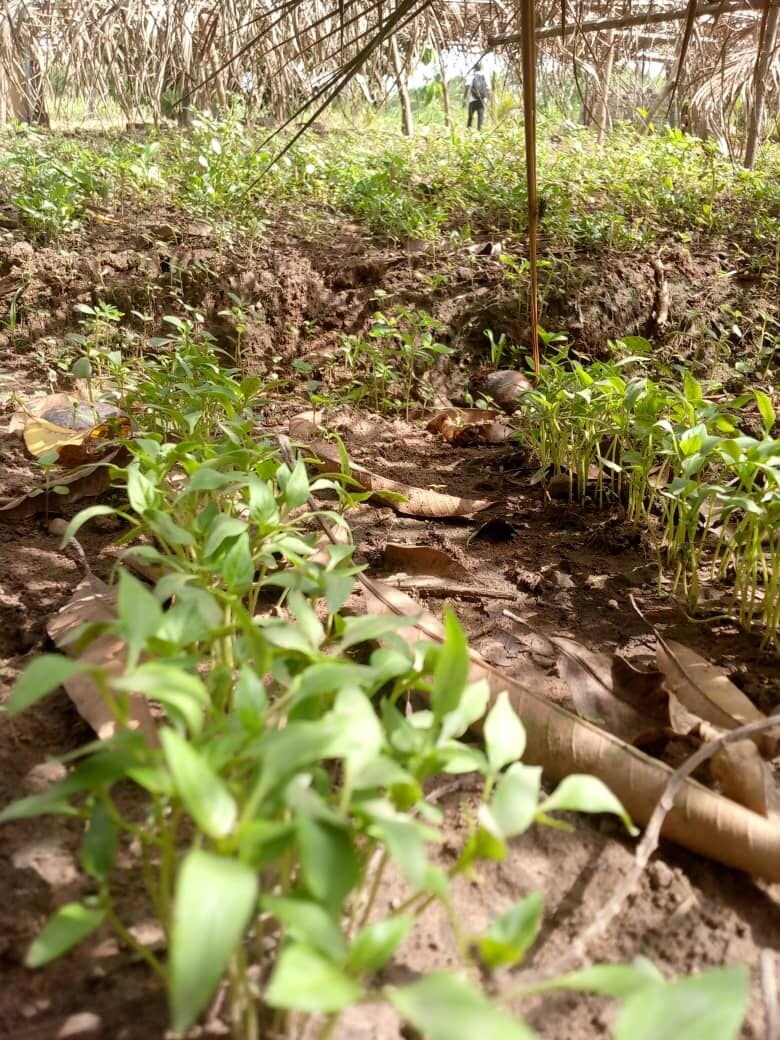
Basil seeds need warmth to sprout. Illinois Extension says they do best when the growing mix is at least 70°F, and sprout in about 5 to 7 days. Clemson says 5 to 10 days at 70°F. Utah State says 10 to 14 days in soil at 75°F to 85°F. Penn State says one to two weeks. Plan on one to two weeks, and use a heat mat if you have one. For the full seed-starting routine, see when to start seeds indoors.
Can you sow basil seeds straight into the garden?
Yes, but later. SDSU says direct sowing can start once nights are consistently above 50°F, and that seeds sprout best in soil at 70°F or warmer. Utah State says to sow after the last frost, 1/8 inch deep, and expect 10 to 14 days to sprout. Then thin the seedlings to 3 to 4 inches apart, and later to about 12 inches.
The trade-off is time. Utah State says transplants take 4 to 6 weeks to reach size, so a plant started indoors is ahead of seed sown outside the same day by roughly that many weeks. In a short season, that gap matters. In a long, warm season, direct sowing saves you the work of lights and trays.
Utah State also says hot weather and water stress push basil to flower and lose flavor, and that planting every other week helps keep fresh leaves coming. Illinois Extension suggests sowing every two weeks for a steady supply, too.
How do you harden off basil and set it out?
Hardening off means getting plants grown indoors used to wind, sun and cooler air a little at a time. SDSU says to do it for one to two weeks to prevent transplant shock, and to plant in the early morning or late afternoon to avoid harsh sun. Our guide to hardening off seedlings uses a 7 to 10 day schedule.
This step matters most for nursery plants. MSU notes that a plant grown in a heated greenhouse is more likely to be hurt by freezing than one that has spent time in a cold frame, an unheated structure or outdoors. A basil plant from a warm store shelf has not had that practice.
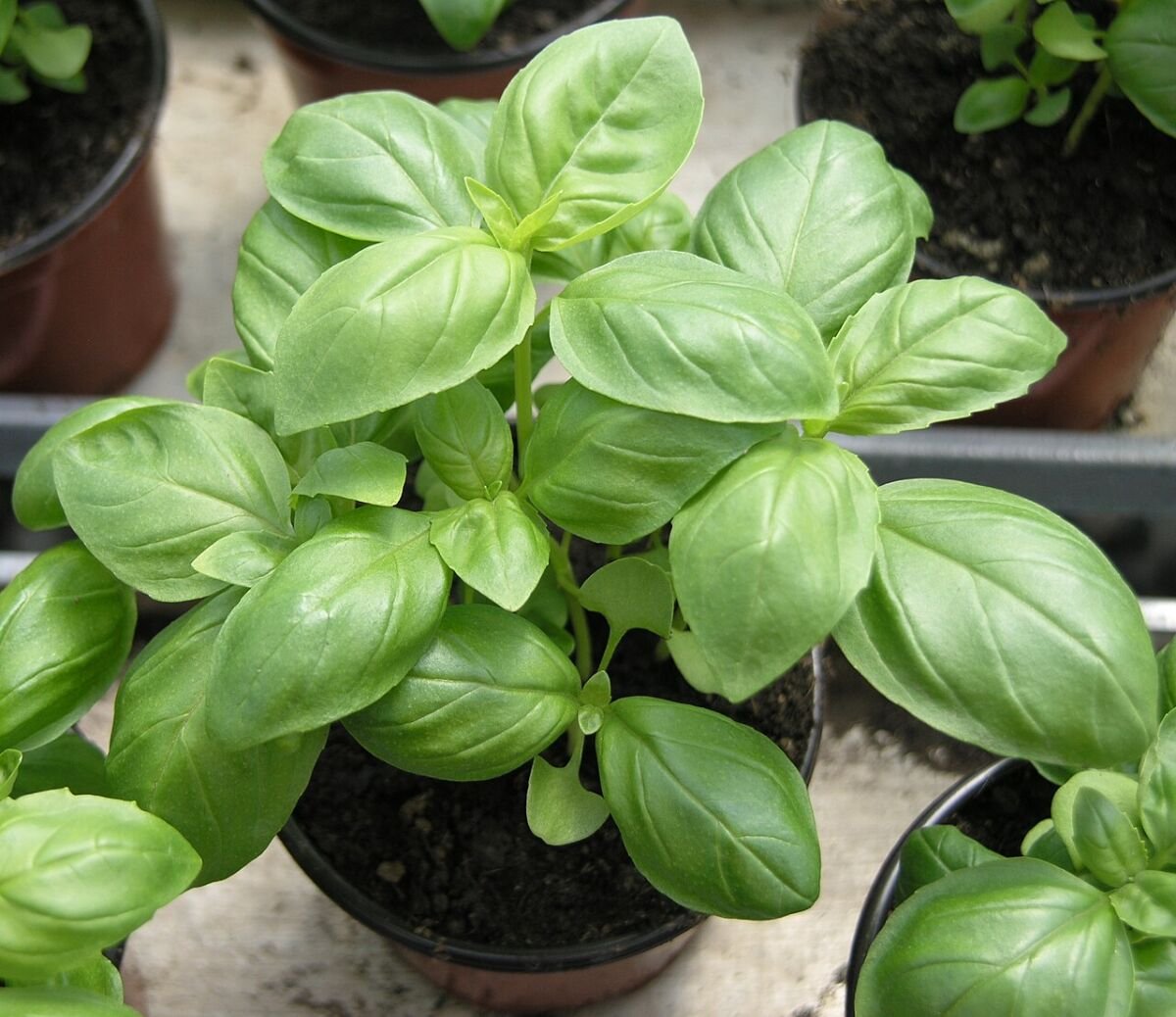
Spacing depends on the variety, and the sources differ. The Almanac says 10 to 12 inches. Utah State ends with plants 12 inches apart. Penn State says 12 to 18 inches. Clemson spaces Genovese basil 2 feet apart, because it says that type can reach 3 to 4 feet tall. Check your seed packet, and give types with big leaves the extra room.
What should you do when a cold night follows planting?
Cover the plants before dark and take the cover off in the morning. Clemson says to use pine straw, inverted pots or buckets, and to leave them until the temperature rises the next day. SDSU suggests a milk jug or bucket. Epic Gardening says to use a frost blanket or row cover and to secure it tightly so wind cannot blow under it. Basil in pots can simply come indoors, as the Almanac advises. Our guide on how to protect plants from frost compares the cover options.
What if the damage is already done? The sources disagree on how bad it is. MSU Extension shows basil kept for a few hours near 50°F. The plants did not die, but the leaves died in patches and curled. Epic Gardening says damaged basil will likely not bounce back. Our advice, not an extension rule: if the leaves are spotted but the stems are still green, pinch off the worst leaves, cover the plant on cold nights and give it a week. If the stems have gone black or limp, replant.
When does basil’s season end in fall?
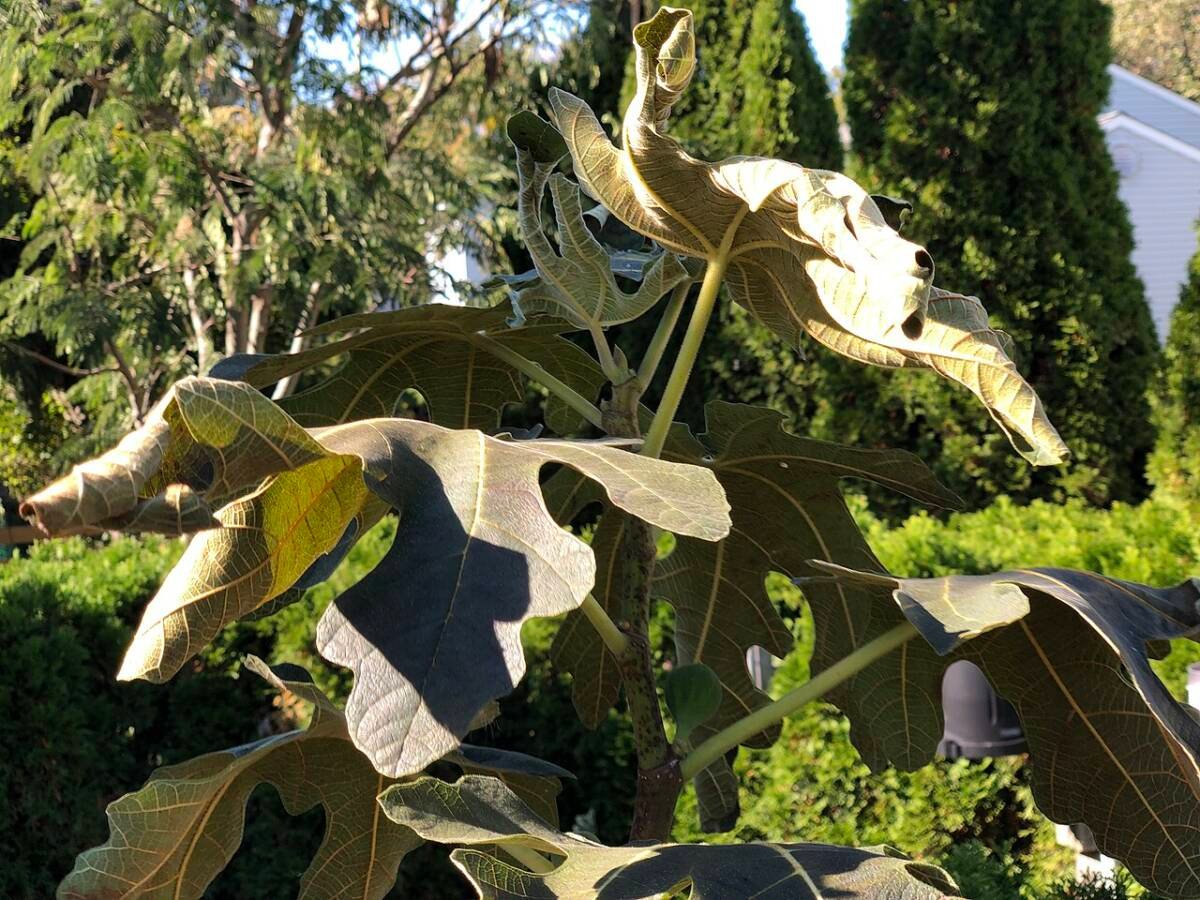
Earlier than the first frost date. The Almanac says to harvest the remaining leaves before the first fall frost, because basil will not survive freezing. SDSU says temperatures below 50°F can stunt growth and damage leaves, and that basil is one of the first crops to die in fall unless it is protected or brought inside. So start harvesting hard when forecast lows head toward the low 50s, not when frost is called.
You have two ways to stretch the season. Clemson says to cut plants back before the first fall frost, dig up the roots and pot them for a sunny window indoors. Water them, but do not let the pots stand in full saucers. Illinois Extension says basil also grows on a windowsill in fall, winter and early spring. Basil is a poor fit for a fall garden bed, though. For crops that like fall, read when to plant a fall garden.
Which mistakes cost gardeners their basil?
- Planting by the calendar. Maryland Extension’s own advice runs about three weeks later than the 10% date in its Frederick chart. Go by the forecast and the soil. A date on a plant tag is only a guess.
- Judging by the daytime high. A 75°F afternoon says nothing about a 45°F night.
- Setting out plants from a warm greenhouse without hardening them off. See the hardening-off section above.
- Planting into cold, wet ground. Roots stall, and growth stays poor.
Skip the frost checks if you garden where frost never comes. Epic Gardening says basil can be planted in spring and fall in zones 10 and 11 with no frost worry, and warns that extreme sun and long dry spells can hurt it there. In that case, watch heat and water instead.
Basil planting questions
Can I plant basil before the last frost?
Not in open ground. The Almanac, SDSU Extension and Illinois Extension all say to wait until frost danger has passed. A pot is the exception, because you can carry it indoors on cold nights.
What temperature is too cold for basil?
Damage can start below 50°F. Illinois Extension says cold air and soil can blacken leaves at 50°F, and MSU Extension says basil will not likely survive freezing. Tests on cut leaves show injury below 54°F (Rutgers review, 2023).
How long after the last frost can I plant basil?
About two weeks is a common rule, and Penn State’s PlantVillage guide gives that timing. Use the 10% frost date, or add two weeks to the 50% date, and make sure the night and soil checks pass too.
Is it okay to plant basil when nights are in the 50s?
Yes, but growth may be slow. Clemson, the Almanac and SDSU accept nights above 50°F. Penn State Extension wants nights above 60°F. Keep a cover ready either way.
When should I start basil seeds indoors?
About 5 to 6 weeks before the day you plan to put plants outside. The sources range from 3 to 8 weeks because they count from different starting points. See the date table above.
Will basil survive a frost?
No. The Almanac says basil will not survive freezing temperatures, and Penn State calls it an annual that is hardy only in warmer climates. Harvest before frost or bring pots indoors.
Can I grow basil indoors in winter?
Yes. Illinois Extension says basil grows on a sunny windowsill in fall, winter and early spring, and harvest can start in about 4 to 5 weeks. Clemson says you can pot up garden roots before the first frost.
Sources
- Illinois Extension. Basil.
- Utah State University Extension. Lindsay Pearson and Dan Drost, May 2020. How to Grow Basil in Your Garden.
- Clemson Cooperative Extension. Joey Williamson, updated May 1, 2019. Basil, HGIC 1327.
- Penn State Extension, updated April 22, 2026. Herb Garden Plants: Basil.
- Penn State PlantVillage. Basil: Description, Uses, Propagation.
- South Dakota State University Extension, updated November 13, 2026. Basil: From Seed to Pesto.
- Michigan State University Extension. Roberto Lopez, February 27, 2019. Symptoms and consequences of chilling or freezing injury on greenhouse crops.
- Rutgers University. Lara Brindisi and James Simon, 2023. Preharvest and postharvest techniques that optimize the shelf life of fresh basil: a review. Frontiers in Plant Science 14:1237577.
- University of Maryland Extension, updated April 10, 2024. Spring Frost or Freeze Dates in Maryland.
- The Old Farmer’s Almanac. Catherine Boeckmann, November 10, 2026. How to Plant and Grow Basil.
- Epic Gardening. Jenna Rich, updated September 25, 2023. When Should You Plant Basil This Season?
Image credits
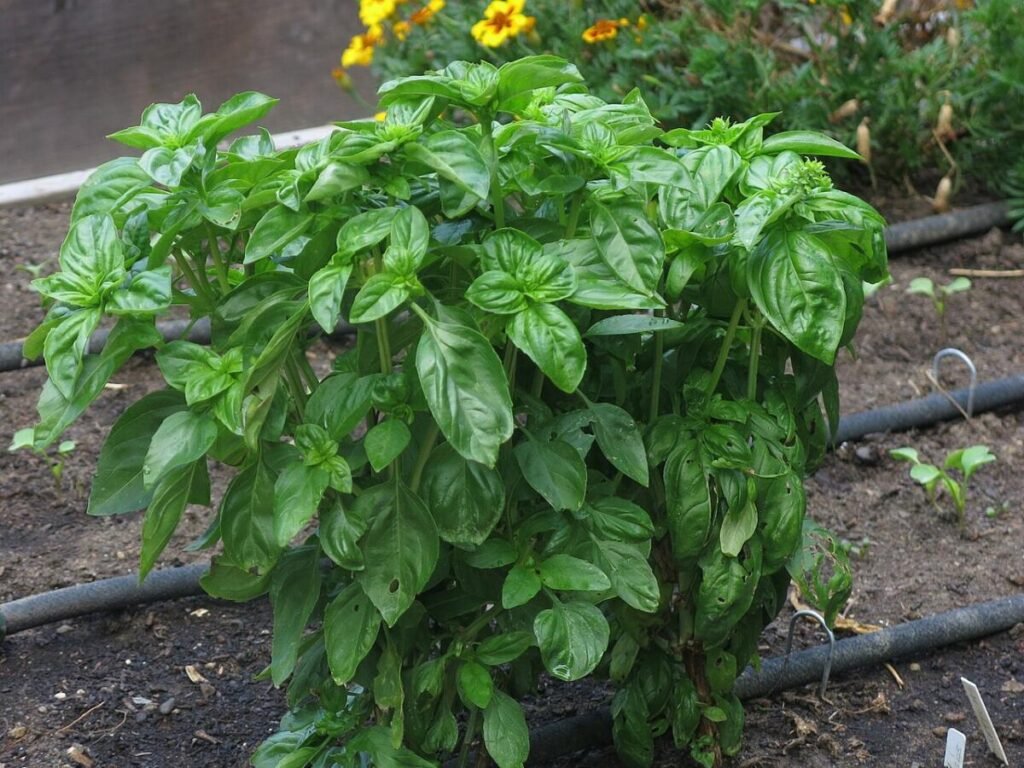
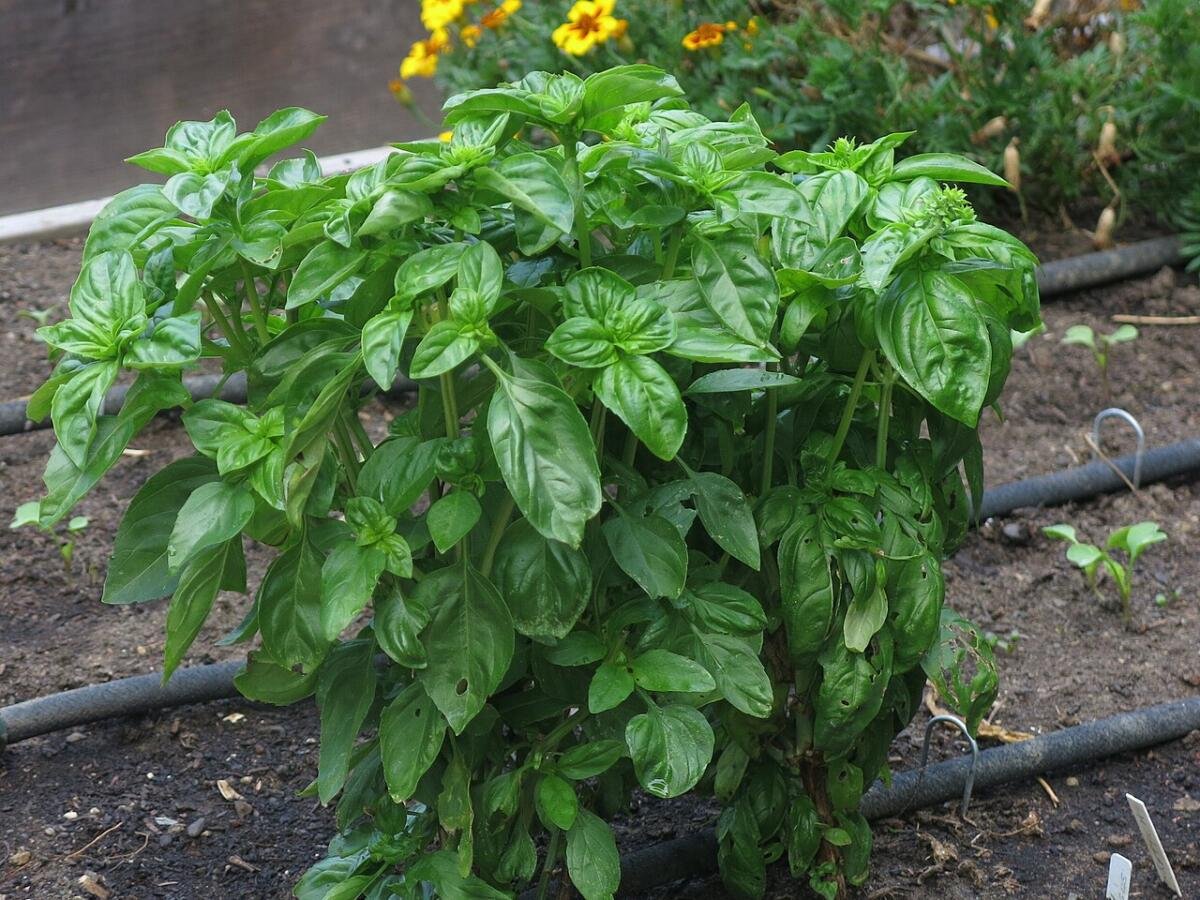
All photos are from Wikimedia Commons and were resized for this page. Basil garden bed: Burkhard Mücke, CC BY-SA 4.0. Basil seedlings: Jude Ahiagble, CC BY-SA 4.0. Genovese basil: Goldlocki, CC BY-SA 3.0. Frost-killed fig leaves: Famartin, CC BY-SA 4.0.
Published by Sajib Saha, a web developer and SEO specialist. This guide is compiled from the extension sources named above, not from personal horticultural credentials. See About and our editorial policy.