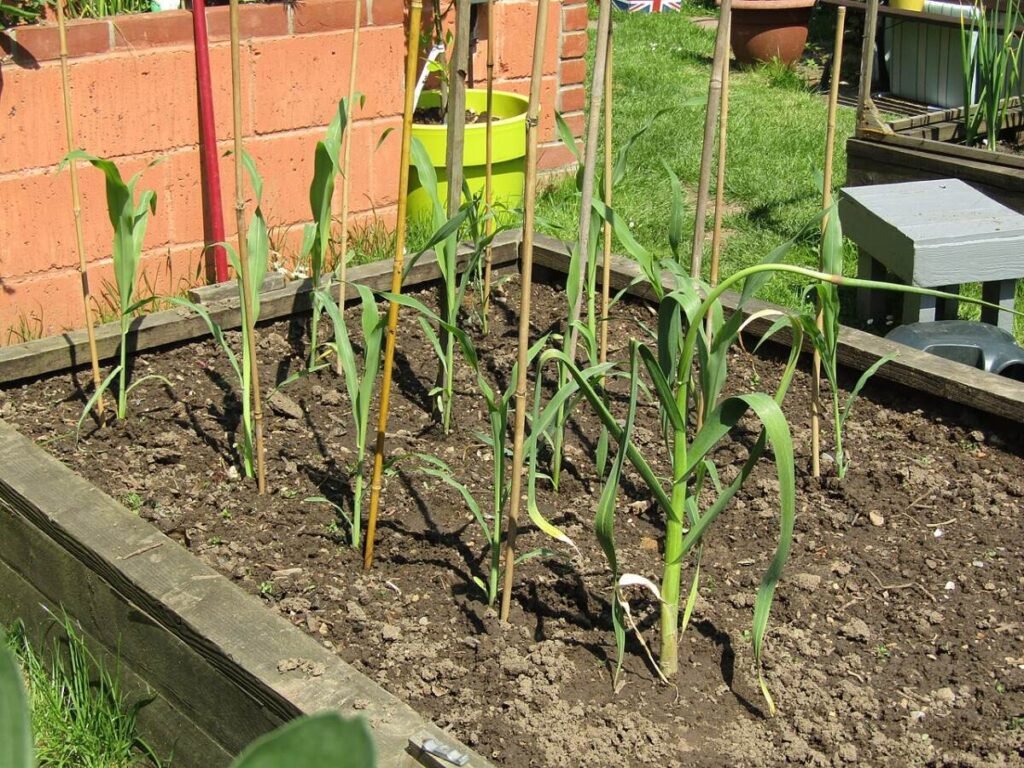
Published
Plant sweet corn outside after the last spring frost, once the soil 2 inches deep reads 60°F or warmer. Standard types can sprout a little cooler, but extra-sweet types want 65°F. Cold, wet soil rots seed. Check soil temperature instead of trusting a warm afternoon.
That one rule works for most gardens. The rest of this guide turns it into a real date for your yard, shows how the type of corn changes the answer, and explains when it is too late to sow. Every number below comes from a university extension page that we opened and read for this article. Where two sources disagree, we say so and explain why.
What soil temperature does sweet corn need?
Sweet corn seed needs soil of about 60°F to sprout well. In cooler ground the seed sits in damp soil and can rot before it comes up. Clemson Cooperative Extension (updated 2023) puts it plainly: “Sweet corn does not germinate well in cold soil.”
The table shows what six extension sources say. The numbers are close, but not the same.
| Source | What it says about soil temperature |
|---|---|
| Iowa State University Extension (reviewed July 2025) | Standard, sugary enhanced and synergistic types germinate well at 55 to 60°F. Supersweet types need at least 60°F. |
| Illinois Extension (2020) | Wait until the soil is at least 60°F at a 2-inch depth. |
| Utah State University Extension (no date shown) | Germination starts at 55°F. Plant at 60°F or more to avoid seed rot. |
| UMass Extension (last updated 2013) | Avoid planting below 55°F. Below 60°F, use treated seed. Untreated seed should wait for 65°F. |
| Virginia Tech Extension (2020) | Corn grows best at 60 to 75°F. Extra-sweet types should wait for 65°F. |
| Clemson Cooperative Extension (2023) | Do not plant before the soil is 50°F at a 4-inch depth. Wait for 65°F for extra-sweet types. Above 55°F reduces most seedling rots. |
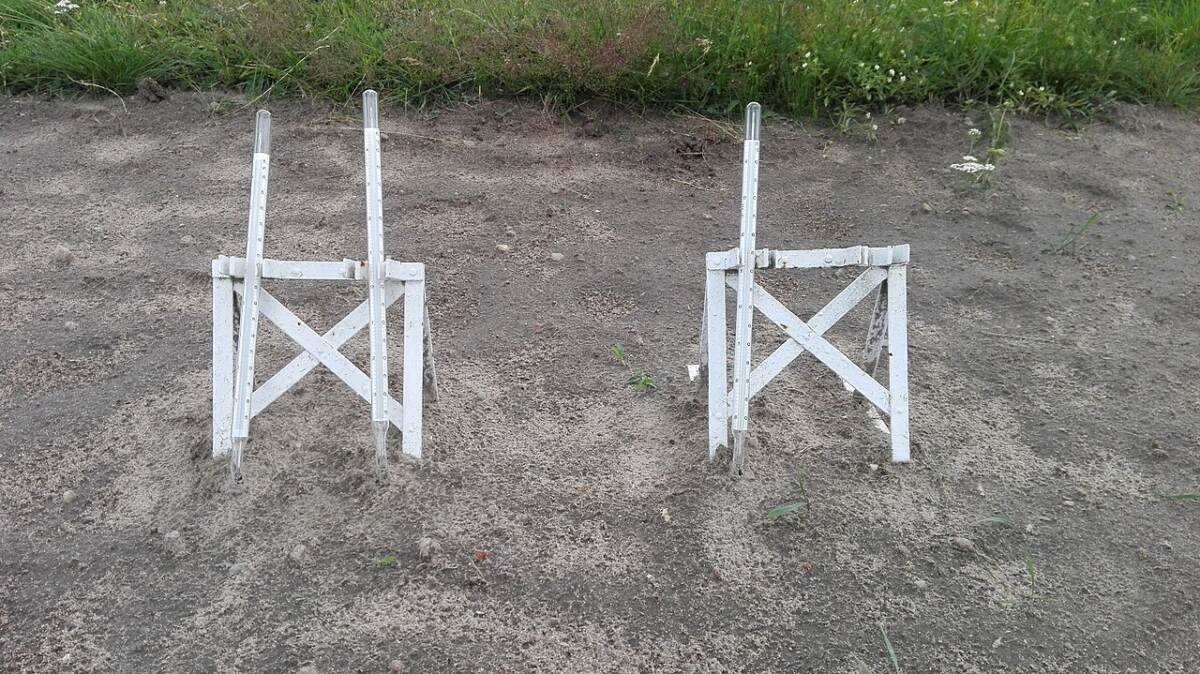
To check your own soil, push a soil thermometer 2 inches into the bed. Read it in the morning, when the ground is coldest. Our guide on why soil temperature matters more than a warm afternoon explains the method in more detail.
Why do the sources give different soil temperatures?
Three things explain most of the gap. The first is depth. Clemson measures at 4 inches, where the soil warms slowly. Illinois measures at 2 inches, where the soil follows the weather more closely. The two depths can give different readings on the same day, so the numbers are not directly comparable.
The second is the type of corn. Supersweet seed is weaker in cold ground than older types, so sources that cover it ask for more warmth. The third is seed treatment. UMass and Utah State both say fungicide-treated seed handles cooler soil better than untreated seed.
For a home garden, the safe choice is simple. Wait for 60°F at 2 inches for standard types and 65°F for extra-sweet types. A week of waiting costs little. A failed planting costs seed and a month of the season.
How do you turn your last frost date into a planting date?
The average last frost date is the typical day of the final spring frost in your area. It is an average, so a later frost can still happen. Our guide on how to use frost dates without treating them as a forecast explains the odds. If you are unsure what counts as a frost, read frost vs freeze first.
Virginia Tech Extension says to plant sweet corn seed “after danger of frost is past.” None of the sources we read give a frost-kill limit for corn seedlings, so we treat the last frost date as the earliest sensible start, not as a planting date by itself. Soil temperature decides the real day.
- Find your average last frost date. The frost date lookup on the GardenClock homepage uses NOAA station data. See our data sources page for how it works.
- Start taking soil readings about two weeks before that date. Use the same spot, the same depth, and the same time of morning.
- Plant when the soil holds your target (60°F, or 65°F for extra-sweet types) for two or three mornings in a row. This is our own rule of thumb, not an extension number. One warm morning can be a fluke.
- Glance at the forecast. If a hard cold snap is due in the next week, wait. Seed in cold, wet ground is the main risk.
Here is how that might look in a garden with an average last frost date of April 25. The readings are made-up examples, not data from a real station.
| Morning | Soil at 2 inches | What to do |
|---|---|---|
| April 25 | 48°F | Wait. The frost date has arrived, but the soil is too cold. |
| May 1 | 54°F | Wait. Below the 55°F floor that UMass sets. |
| May 6 | 58°F | Wait, or plant a small test row of standard corn. |
| May 9, 10, 11 | 61°F, 62°F, 61°F | Plant standard types. |
| May 15, 16, 17 | 65°F, 66°F, 65°F | Plant extra-sweet types. |
Notice that the best date came two weeks after the average last frost. In a cool spring that gap can be longer. In a warm region it can be shorter. Clemson’s planting table shows how wide the range is: spring planting runs March 1 to April 15 on the South Carolina coast and March 30 to May 31 in the Piedmont.
Does the type of sweet corn change when you plant?
Yes. Seed packets use short codes for the type of sweetness gene. Here are the ones you will see, using Iowa State’s names:
- su (standard): the older, classic sweet corn. It handles cooler soil best.
- se (sugary enhanced) and syn (synergistic): sweeter, with a similar need for warmth. Iowa State says to plant them about one week later than standard corn.
- sh2 (supersweet) and augmented supersweet: the sweetest and the pickiest. Iowa State calls them the types least tolerant of cold soil. Mississippi State University Extension says supersweet types do not come up as well as other types in cold ground.
As an example, Iowa State says standard varieties can go in during late April in central Iowa, while supersweet types go in around mid-May. That is Iowa’s climate, not yours, but the order holds anywhere: standard first, then sugary enhanced, then supersweet.
How far apart should different types be?
Supersweet corn loses sweetness when standard corn pollinates it. The sources agree on the risk but not on the distance. Iowa State and Virginia Tech both say 250 feet, or enough planting-date difference that the types tassel about two weeks apart. Clemson asks for 400 yards, or maturity dates one month apart.
Clemson’s numbers are far stricter, and we found nothing on the pages to explain why. Most home gardens cannot spare 400 yards. The easiest fix is to grow only one type. If you want two, separate them by at least two weeks of planting time, and accept that a few ears may be less sweet.
How should you plant sweet corn once the soil is ready?
Sow seed 1 inch deep in heavy soil. In light, sandy soil you can go to 2 inches, according to Iowa State. Clemson also uses 1 inch, and Illinois Extension gives a range of 1 to 2 inches. Shallow is safer in clay, because deep seed in cold clay is the first to rot.
For spacing, Iowa State and Illinois Extension both say 8 to 12 inches between seeds, in rows 2.5 to 3 feet apart. Clemson uses 10 inches between seeds in rows 3 feet apart. Pick a number in that range and stay close to it.
Why plant sweet corn in blocks instead of one long row?
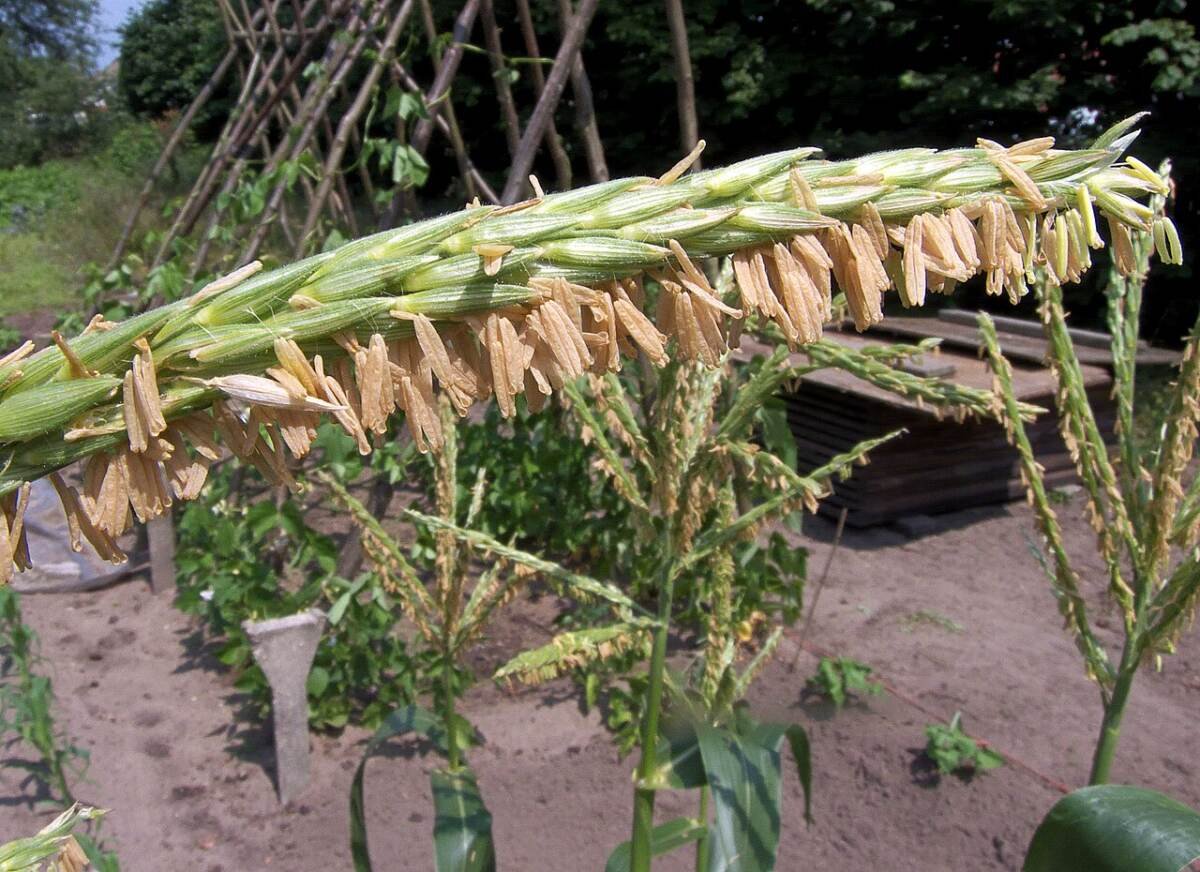
Corn carries pollen from the tassel, the feathery top of the plant, down to the silks, the thin threads at the tip of each ear. Every kernel needs pollen to fill. In a single long row, pollen can drift away before it reaches the silks. A short, wide block keeps the plants close together.
Virginia Tech Extension says to plant at least three short rows side by side, and preferably four. Iowa State says four or more short rows. Both sources say blocks give better pollination than one or two long rows. Clemson and Utah State add that blocks give full ears.
So a 4-row by 6-foot block beats a single 24-foot row, even though both hold the same number of plants. If space is tight, make the block shorter instead of thinner.
How often should you plant more sweet corn?
Sweet corn is ready for a short time, so one big planting gives you too much corn in a single week. Staggering the sowings spreads the harvest. The extension sources suggest slightly different gaps:
| Source | Suggested gap between plantings |
|---|---|
| Iowa State University Extension | Every two weeks, in blocks. |
| Illinois Extension | Every two weeks. |
| Clemson Cooperative Extension | Every 10 to 14 days. |
| Virginia Tech Extension | Every two weeks, or when the last planting has three to four leaves. |
| Utah State University Extension | Every 10 days in warmer weather. |
A gap of 10 to 14 days works in most places. Utah State suggests the shorter gap in warmer weather, when corn grows faster. Our succession planting planner can lay out the dates for you.
You can also mix varieties with different days to maturity. Virginia Tech lists a range of 63 to 100 days. Clemson says 80 to 95 days from planting. Illinois says 60 to 100. Utah State gives three examples: Early Sun Glow at about 63 days, Honey and Pearls at about 76 days, and Serendipity at 82 days. Virginia Tech also notes that corn sown in cool spring weather takes longer, so count on the long end of the range for the first planting.
When is it too late to plant sweet corn?
It is too late when the corn cannot finish before your first fall frost. Work backward from that date. Take the days to maturity on the packet, then add a cushion for slower growth in cool autumn weather. The cushion is our own judgment, not a number from the sources.
Here is an example. Say your average first fall frost is October 10, and you grow a 75-day variety. October 10 minus 75 days is July 27. Subtract a 14-day cushion and your last sowing date is about July 13. For help finding your first frost date, see our guide to planting a fall garden by counting back from first frost.
Two outside checks are worth knowing. Iowa State lists July 1 as the last practical planting date for early varieties, but that is for Iowa. Mississippi State University Extension warns that late-planted sweet corn has serious problems with corn earworm, a caterpillar that eats the kernels at the tip of the ear. Even if frost is far off, a very late planting can fail for that reason.
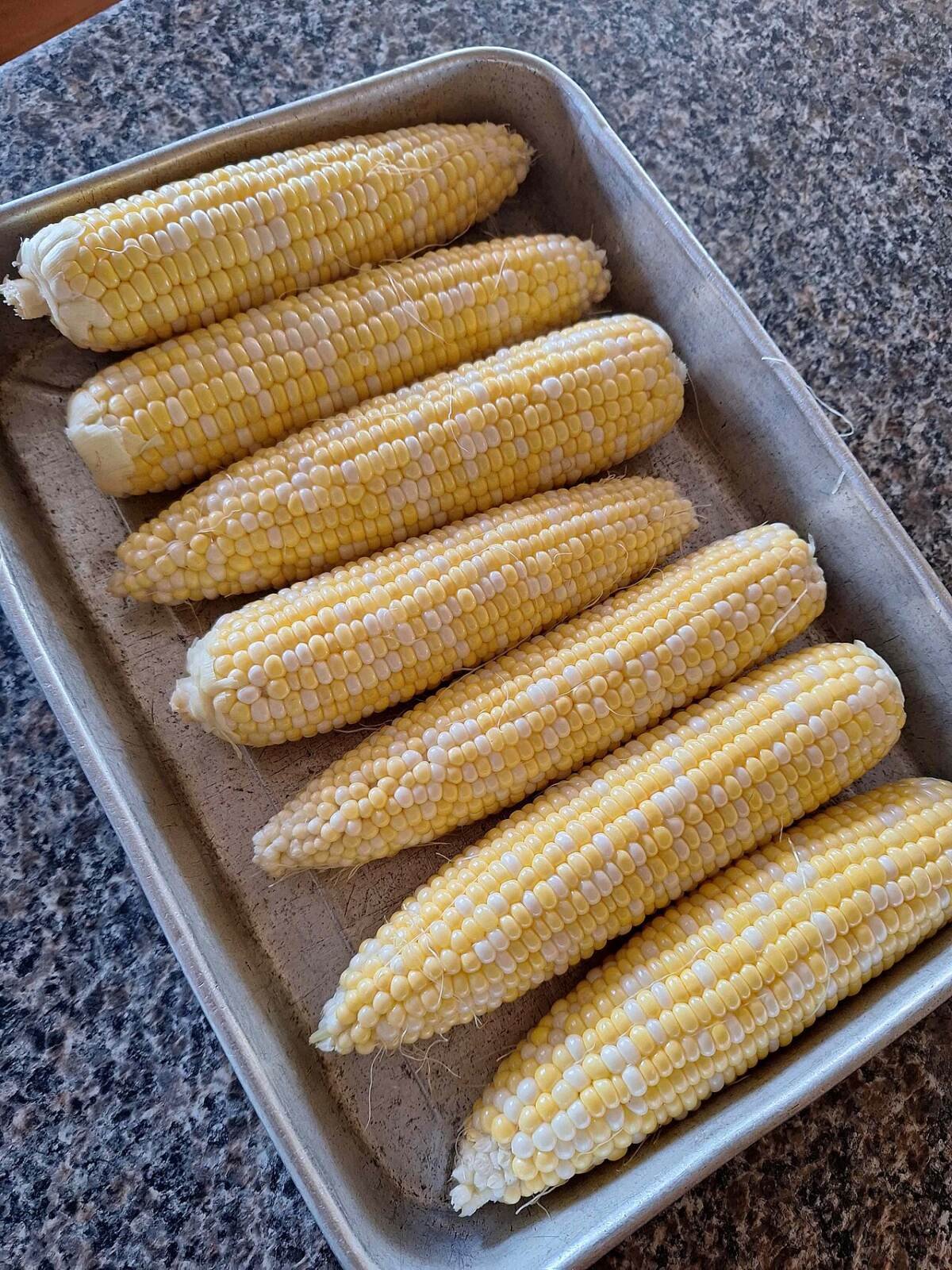
Once the silks appear, harvest is close. Iowa State says it takes about 18 to 23 days from silk emergence to harvest. Virginia Tech gives 17 to 24 days.
Can row covers or plastic let you plant sooner?
A little. UMass Extension says clear plastic mulch can give corn a gain of 7 to 10 days over bare soil. It also lists a 5 to 10 day gain in maturity from spunbonded row covers, which are light fabric sheets laid over the plants. Those are gains in harvest time, not permission to sow in cold ground.
If you use plastic, put your thermometer under it. The seed cares about the soil it sits in, not the air. If you want to use covers for other crops, read about garden microclimates, because warm and cold spots in the same yard can differ by days.
What mistakes cost the most?
- Planting by the calendar. A date from last year does not tell you what the soil is doing now.
- Sowing deep in cold clay. Keep seed at 1 inch in heavy soil.
- Planting one long row. Poor pollination leaves ears with missing kernels. Use a block of at least three or four rows.
- Putting everything in on one day. You will have a week of corn, then none.
- Mixing types with no gap. Supersweet next to standard corn can lose sweetness.
When can you skip parts of this plan?
Skip the frost-date step if you live where frost is rare. In a frost-free climate the limit is soil warmth and summer heat, so the soil reading becomes the only rule that matters. Skip the block layout if you only want a few ears for fun, but expect gaps. Skip the 65°F rule if you grow only standard types and your seed is treated, but stay at 60°F or above. For other warm-season crops, see our guides to planting tomatoes, cucumbers and green beans. Our planting tools can help with the dates.
Sweet corn planting questions
Can I plant sweet corn before the last frost date?
Virginia Tech Extension (2020) says to plant sweet corn seed after the danger of frost is past. The sources we read give no frost-kill limit for corn seedlings, so wait until frost risk has passed and the soil has warmed.
Is 55°F soil warm enough for sweet corn?
It is the lowest number most sources accept for standard types. Iowa State says standard types germinate well at 55 to 60°F, and UMass says to avoid planting below 55°F. Waiting for 60°F is safer, and extra-sweet types need 65°F.
How deep should I plant sweet corn seed?
Plant 1 inch deep in heavy soil. Iowa State says you can go to 2 inches in light, sandy soil. Illinois Extension gives a range of 1 to 2 inches.
How many days does sweet corn take to grow?
It depends on the variety. Clemson says 80 to 95 days from planting, Virginia Tech says 63 to 100 days, and Illinois Extension says 60 to 100 days. Check your seed packet. After silks appear, Iowa State says harvest comes about 18 to 23 days later.
How far apart should I plant sweet corn?
Put seeds 8 to 12 inches apart in rows 2.5 to 3 feet apart, according to Iowa State and Illinois Extension. Plant at least three or four short rows side by side so the ears fill well.
What if my sweet corn seed does not come up?
Cold, wet soil is the usual cause. Clemson says planting in wet soil in early spring promotes seed rot. Wait until the soil reaches 60°F, then sow again.
Sources
- Iowa State University Extension and Outreach, Growing Sweet Corn in the Home Garden (reviewed July 2025).
- University of Illinois Extension, How to grow sweet corn (May 2020).
- Virginia Tech Cooperative Extension, Sweet Corn (September 2020).
- Clemson Cooperative Extension, Sweet Corn, HGIC (updated January 2023).
- UMass Extension, Corn, Sweet (last updated 2013, so some advice may be dated).
- Utah State University Extension, Sweet Corn Planting (no date shown).
- Mississippi State University Extension, When should sweet corn be planted? (no date shown).
Image credits: Young sweet corn plants by Kolforn, CC BY-SA 4.0. Soil thermometers by Witia, CC BY-SA 4.0. Sweet corn stamens by Rasbak, CC BY-SA 3.0. Silk on ears of corn by Jeffery Martin, CC0. Wisconsin sweet corn by Heidi Meudt, CC BY-SA 4.0. All via Wikimedia Commons; resized and compressed.