Published · Updated
Plant garlic in fall, after the first frost and before the ground freezes. University extension services give three timing rules: one to two weeks after the first killing frost, four to six weeks before the ground freezes, or about three weeks before it freezes. In the regions they cover, that usually means late September to early November.
Last verified: October 29, 2026. The timing rules below come from six university extension sources, listed at the end with their publication dates.
Why does garlic go in the ground in the fall?
Garlic needs time to grow roots before winter, and it needs a stretch of cold to form a full bulb. University of Illinois Extension says a cold period is required for garlic to make bulbs. It also says fall planting lets each clove grow roots before the plant goes dormant, which means it stops growing for the winter.
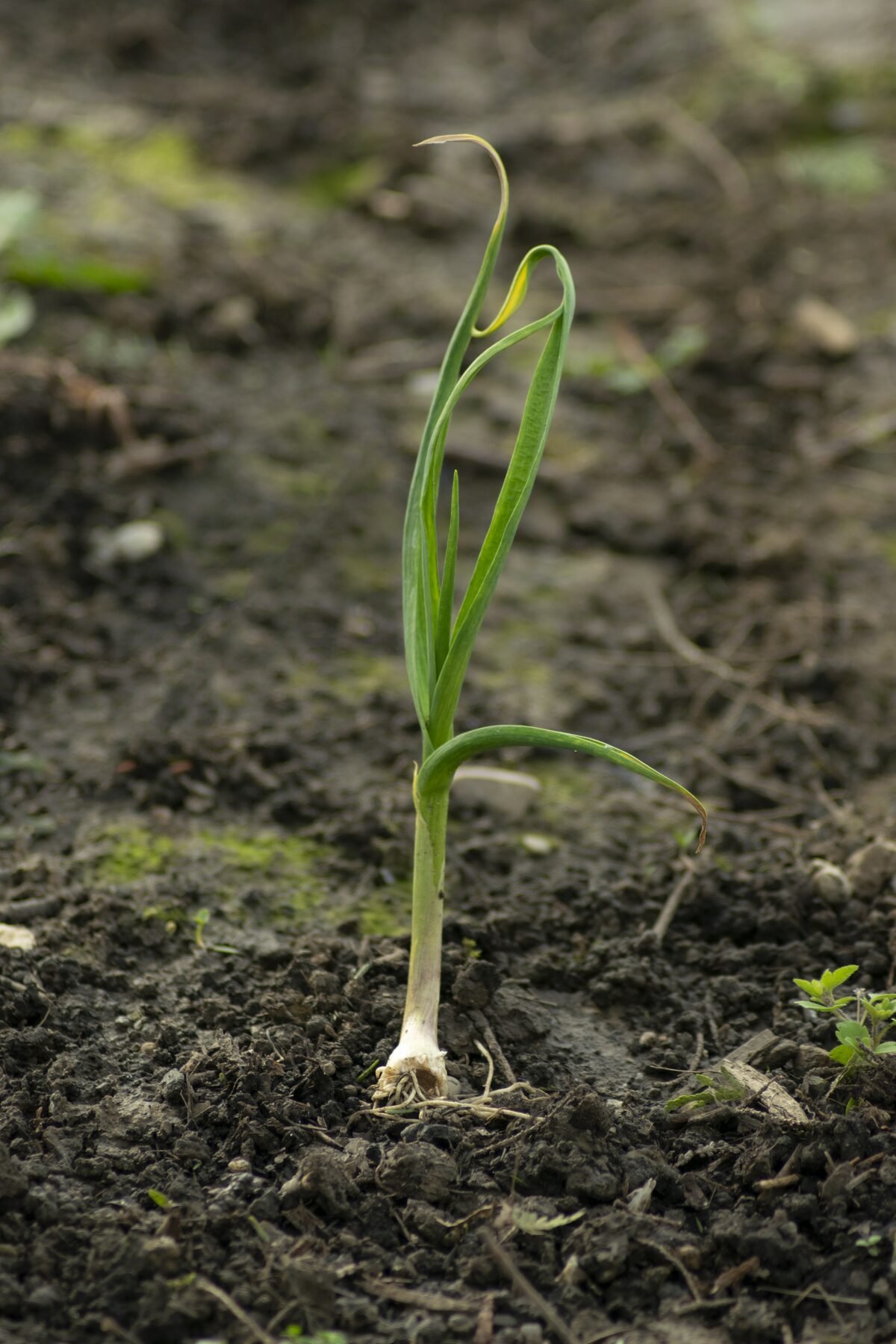
That gives you two ways to get the date wrong. Plant too early and the shoot may poke out of the soil before winter. University of Minnesota Extension warns of frost damage when a shoot is above the soil before winter. Plant too late and the clove has little root to hold it. Colorado State University Extension says late cloves may not have enough root system to survive.
What do extension services say is the right planting date?
Six university extension sources give six slightly different answers. The table shows each rule in the source own words, with the place it was written for.
| Source | Timing rule | Region |
|---|---|---|
| Penn State Extension | About 3 weeks before the ground freezes | Pennsylvania |
| University of Illinois Extension | 4 to 6 weeks before the ground freezes; October to early November in central Illinois | Illinois |
| University of Minnesota Extension | 1 to 2 weeks after the first killing frost | Minnesota |
| Colorado State University Extension | Late September into October; before October 15 in many places | Western Colorado |
| University of Maine Extension | Mid-September to the end of October; map dates of Oct 1, Oct 15 and Nov 1 from north to south (hardneck garlic) | Maine |
| Oregon State University Extension | September through November | Oregon |
Minnesota Extension also gives typical first killing frost dates: late September in northern Minnesota and early October in southern Minnesota. A killing frost is a frost hard enough to kill tender garden plants. Our post on frost versus freeze explains the difference in more detail. For other crops that go in late, see when to plant a fall garden.
Why do the garlic planting rules not match?
They start from different events. Minnesota counts from the first killing frost, which you can often estimate from past years. Penn State and Illinois count back from the day the ground freezes, which few gardeners can predict. Colorado, Maine and Oregon give calendar dates for their own climates.
Climate matters too. The time between the first frost and a frozen ground differs from place to place, so the same rule lands on different dates in different regions. None of the sources claims its rule fits every state, and none says one rule beats the others.
The sources also differ in age. Penn State lists an update date of September 9, 2026. The Colorado State article is from September 2025. Oregon State reviewed its article in 2025. Maine lists 2022, Minnesota appears to date from 2021, and the Illinois post is from November 2020. The advice has stayed consistent across those years.
How do I work out my own garlic planting date?
Use your first frost date as the anchor, then check it against the freeze rules. The steps below combine the extension rules. The way of combining them is my own judgment, not a rule from any one source.
- Find your average first frost date. The lookup tool on the GardenClock home page gives one. Treat it as an average, not a forecast, as explained in how to use frost dates.
- Add one to two weeks. This is the Minnesota rule, and it gives your early mark.
- Estimate when the ground usually freezes. Use your own notes from past years or ask your local extension office.
- Count back three weeks (Penn State) and four to six weeks (Illinois). That gives your late marks.
- Pick a date inside the spread, and mulch the bed well.
A worked example with made-up dates. Say your average first frost is October 8 and the ground usually freezes around December 10. The Minnesota rule points to October 15 through 22. The Illinois rule points to October 29 through November 12. The Penn State rule points to about November 19. The rules do not overlap here, so a middle date near the end of October is a reasonable pick. In a milder year you might lean earlier; in a cold, early winter you might not wait.
Skip this method if your ground does not freeze in winter. The sources above cover cold-winter regions only, and I did not find extension advice for frost-free climates in them.
What if I am already late planting garlic?
Plant now rather than wait, and add insulation. Minnesota Extension says that if you wait too long, roots will not have time to develop before winter. Its advice for late planting in northern Minnesota is a thick layer of straw. The same article tells gardeners to plant soon if they have not already.
No source I read gave a last safe date. Be realistic: a clove planted in frozen soil cannot be dug in, and a very late planting may give a smaller bulb. Colorado State says too-late cloves may not have enough root to survive, so the risk is real. The cost of trying is small, so a late planting under thick straw is still worth it if the soil is workable.
If shoots already show before a hard frost, Minnesota Extension says thick straw mulch is particularly important.
How do I plant garlic once the date is right?
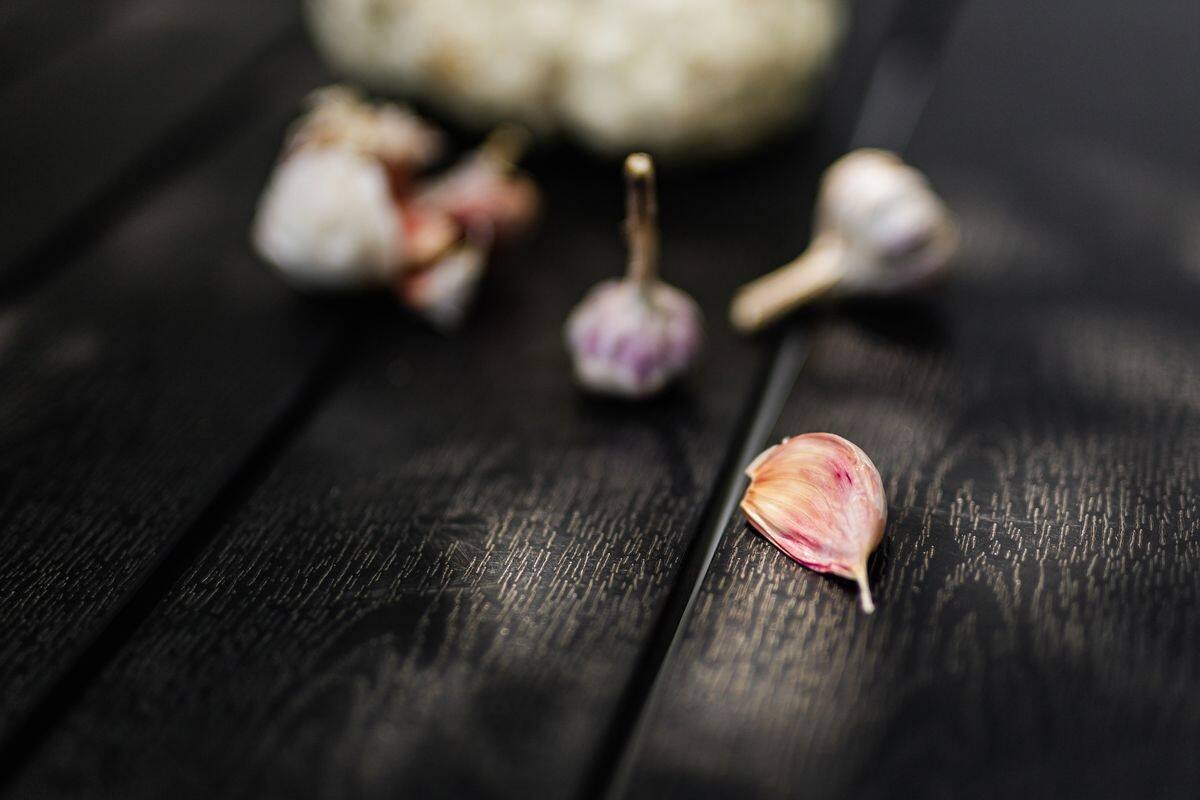
Break the bulb into cloves, plant them pointed end up, and cover them with soil and mulch. Penn State Extension says to separate the bulb no more than a day before planting and to use the largest, soundest cloves, because larger cloves give larger bulbs.
| Source | Depth | Space between cloves |
|---|---|---|
| Penn State | At least 2 inches | 4 to 8 inches |
| Illinois | 1 to 2 inches | 4 to 5 inches |
| Colorado State | About 2 inches | About 6 inches |
| Oregon State | 2 inches | 2 to 4 inches |
| Maine | Tip 2 to 4 inches below the surface | 4 to 6 inches |
| Minnesota | Not stated | About 6 inches |
A safe middle is 2 inches deep and 4 to 6 inches apart. Most of the sources fall in that range. Maine notes that closer spacing gives smaller bulbs.
Garlic wants full sun and well-drained soil. Oregon State says that in heavier soil you should use raised beds 2 to 3 feet wide and at least 10 to 12 inches tall. Minnesota suggests watering for a couple of weeks after planting to help roots and shoots form. Soil temperature is a common planting guide for spring crops, as in our post on soil temperature before planting, but none of the garlic pages I read gave a soil temperature target.
How much mulch does fall-planted garlic need?
Plan on 3 to 4 inches of straw or shredded leaves. Maine says 3 inches, Colorado State says 3 to 4 inches, and Penn State says about 4 inches. Illinois says the straw prevents frost heaving, which is when freezing and thawing push plants up out of the soil. Colorado State says mulch protects the cloves from swings in temperature.
On a windy site, Penn State suggests laying branches over the bed to hold the straw down. In spring, Colorado State says you can thin the mulch so the soil warms and dries a little.
Should I plant hardneck or softneck garlic?
Hardneck garlic grows a flower stalk called a scape. Softneck garlic rarely makes a stalk. Oregon State says hardneck forms small bulblets at the end of a tall stalk, while softneck tends to form larger bulbs. Minnesota Extension adds that softneck stores longer and hardneck stores for less time.
University of Maine Extension recommends hardneck for Maine and calls softneck not reliably hardy there. If your winters are cold, ask the seller which type has done well in your region. For a deeper look at how winter lows relate to what you can grow, see frost date versus hardiness zone.
When is fall-planted garlic ready to harvest?
Garlic planted in fall is dug the next summer, once the lower leaves turn brown. Maine Extension says that when the lowest three leaves have browned, you have about two weeks to harvest. Penn State says to cure the bulbs for two weeks in an airy, shady spot, and to harvest before the wrappers split open.
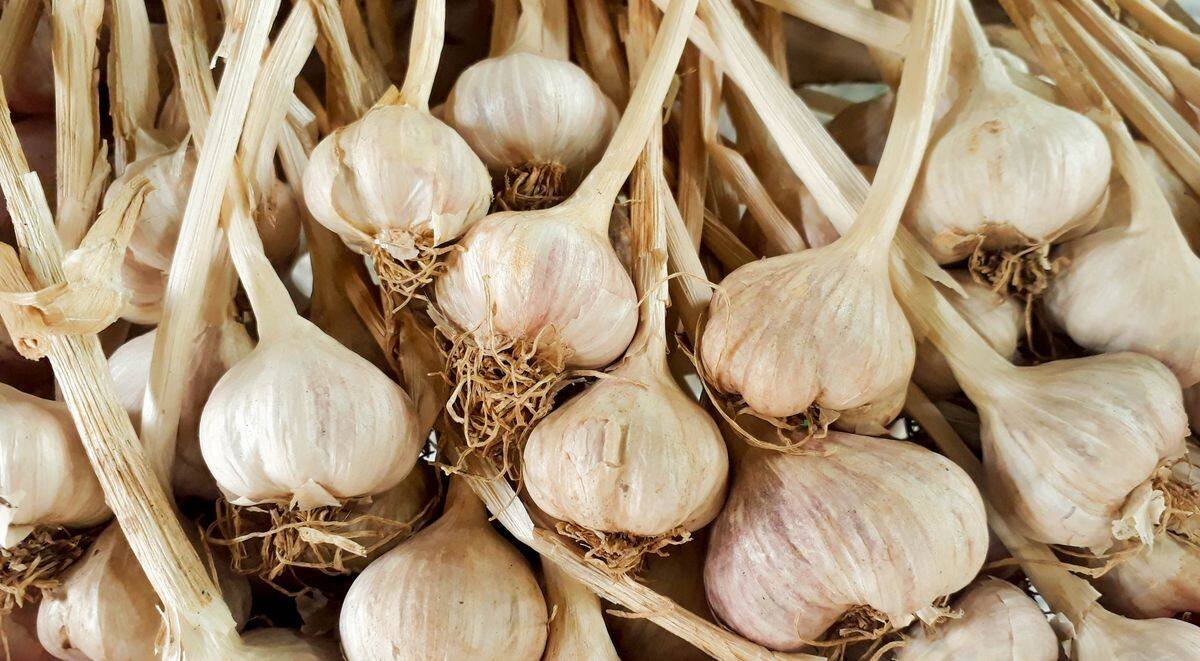
For hardneck types, Oregon State advises removing the flower stalks in May or early June to increase bulb size. Minnesota notes that many gardeners harvest scapes in early summer.
Garlic is a fall job, while tomatoes go in after the last spring frost. If you also plan summer crops, our post on when to plant tomatoes outside covers the spring side.
What mistakes cause garlic crops to fail?
- Planting too early. The shoot comes up before winter and risks frost damage (Minnesota Extension).
- Planting very late with no mulch. Roots have little time to grow, and the bed has no insulation.
- Buying grocery store garlic. It may be a variety that does not suit your climate (Penn State Extension).
- Splitting the bulb too early. Penn State says to separate cloves no more than a day before planting.
- Using small cloves. Larger cloves give larger bulbs.
- Planting in soggy soil. Oregon State says to use well-drained soil or raised beds.
Frequently asked questions about planting garlic
Can I plant garlic in spring instead of fall?
The extension sources used here all recommend fall planting. University of Illinois Extension says garlic needs a cold period to form bulbs. None of the pages gave spring planting advice, so this article does not cover it.
Can I plant garlic from the grocery store?
It is risky. Penn State Extension says store cloves may be varieties unsuited to your area. University of Maine Extension does not recommend supermarket garlic for planting in Maine. Buy seed garlic from a local grower or a trusted seller.
How deep should I plant garlic cloves?
About 2 inches deep, pointed end up. Colorado State, Oregon State and Penn State all give 2 inches. Illinois says 1 to 2 inches, and Maine says the clove tip should sit 2 to 4 inches below the surface.
How much mulch should I put on garlic?
Three to four inches of straw or shredded leaves. Maine Extension says 3 inches, Colorado State says 3 to 4 inches, and Penn State says about 4 inches.
How late is too late to plant garlic?
No source I read gave a firm cutoff date. Minnesota Extension says roots will not have time to develop if you wait too long, and Colorado State warns of too little root growth to survive winter. If you plant late, use a thick layer of straw.
When is fall-planted garlic ready to harvest?
The following summer. University of Maine Extension says to watch the lowest leaves. When the lower three leaves have browned, you have about two weeks to harvest.
Sources
- Penn State Extension, Growing Garlic: Fall Planting (updated September 9, 2026)
- University of Illinois Extension, Garlic goes in the ground now (November 6, 2020)
- University of Minnesota Extension, Tips for garlic planting season (October 2021)
- University of Minnesota Extension, Last chance to plant garlic (Natalie Hoidal; no date shown, appears to be fall 2021)
- Colorado State University Extension, Fall Planting: Garlic in Western Colorado (September 23, 2025)
- University of Maine Cooperative Extension, Bulletin 2063, Growing Garlic in Maine (revised 2022)
- Oregon State University Extension, Fall is the best time to plant garlic in Oregon (published 2023, reviewed 2025)
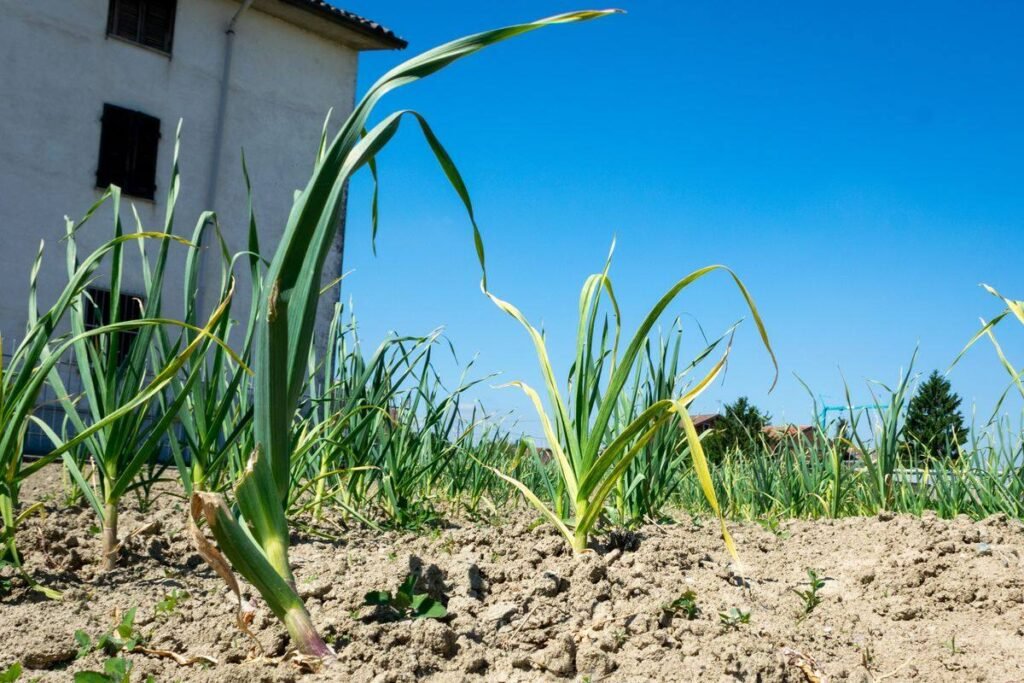
Image credits: featured and field photo by Juan Moccagatta, shoot photo by Blue, clove photo by Kaboompics (Karola G), harvested garlic photo by Klang Lumpikanon. All from Pexels under the Pexels License, which allows free use with no attribution required.