Published · Updated
Bring tender potted plants indoors before nights fall below about 50°F. University extension sources give limits from 45°F to 55°F, so treat 55°F as your signal for tropicals and 45°F as the hard stop. Do not wait for the first frost: start one to two weeks of light adjustment before the move.
This guide is for plants that spent the summer outside in pots, such as hibiscus, citrus, palms and common houseplants. Garden beds are a different job, covered in how to protect plants from frost. Last verified against the sources below on November 12, 2026.
What temperature means it is time to bring plants inside?
There is no single number. Six university extension sources give three different answers, and the spread between the highest and lowest is 10°F.
| Source and year | Bring plants in… | Note |
|---|---|---|
| Penn State Extension (updated 2026) | Before nights fall below 50°F | Says 40 to 50°F can damage plants, and sensitive tropicals may need to move sooner |
| University of Minnesota Extension (2026) | Before nights fall below 50°F for most tropical houseplants, 40°F for most succulents | Another Minnesota page says damage can start at 45 to 50°F, depending on the plant |
| University of Illinois Extension (2022) | When nights stay below 55°F | Written by horticulture educator Ken Johnson |
| Purdue Extension (page last changed 2016) | Before the outdoor temperature reaches 55°F | If days are warm and nights cold, bring plants in only at night |
| Oklahoma State University Extension (2021) | Before nights fall below 45°F | Plants are damaged if they stay out in the cold for long |
| University of Missouri IPM (2011) | When nights start to fall below 45°F and stay there | Written for tropical patio plants that can suffer chill injury |
These numbers describe night lows, not afternoon highs. Fall days can stay warm while nights get cold, which is why Purdue suggests carrying plants in at dusk and back out in the morning during the in-between weeks.
Why do the sources say 45, 50 and 55°F?
None of the pages explain the gap, so this part is our reading, not a sourced rule. Missouri and Oklahoma State put the line at 45°F, where chill damage becomes a real risk for tropical patio plants. The 55°F figure from Illinois and Purdue looks like a safety margin that gives plants time to adjust before they are hurt. Both approaches can work.
A practical way to use the numbers:
- 55°F: start the move for tropicals and for any plant you would hate to lose.
- 50°F: most tropical houseplants should be inside by now (Penn State, Minnesota).
- 45°F: the hard stop for tropical patio plants (Missouri, Oklahoma State).
- 40°F: the line for most succulents (Minnesota).
Should you wait for the first frost?
No. Penn State Extension says not to wait for the first frost to start moving plants. Most houseplants come from tropical, subtropical or dry regions, and temperatures below 50°F can easily damage them. That is far above 32°F, the line for a freeze (see frost vs freeze). A tender plant can be hurt by cold nights long before any frost shows up.
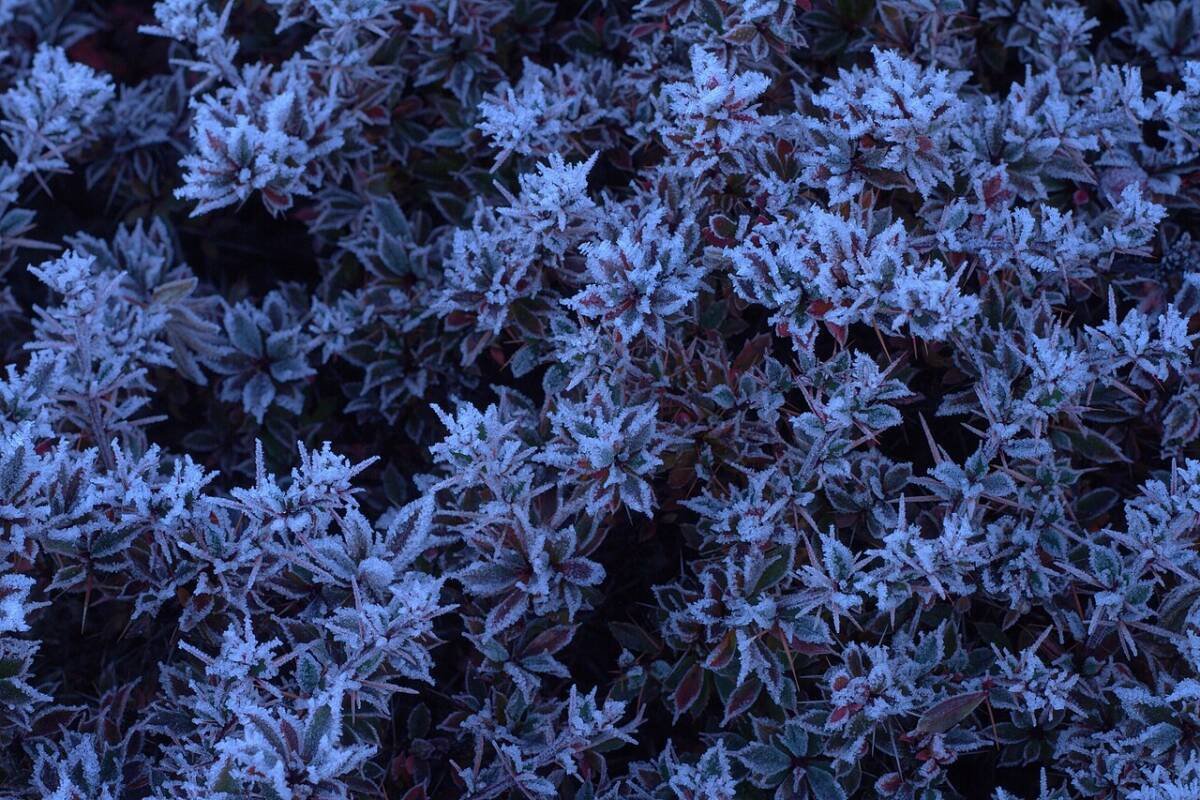
Your first fall frost date still helps. It tells you roughly when the season turns where you live, so you know when to start watching the forecast. Look up your station in the frost date lookup, and read how to use frost dates for why a frost date is an average and not a forecast. For potted plants, the night low in the 10-day forecast is what picks the day.
A worked timeline
These dates are invented to show the steps. They are not from a real forecast. Say your first fall frost date is October 25, your limit for a hibiscus is 50°F, and the forecast shows a low of 49°F on October 10. Work back from that night:
- About September 19: if you plan a preventive treatment, this is three weeks ahead. One Minnesota extension educator suggests treating about 3 weeks before the move, and says to follow the product label because not every product suits indoor use.
- September 26 to October 3: move the pots to a shaded spot for one to two weeks, as Penn State advises. Check leaves and soil as you go.
- October 4 to 9: bring plants in at night and set them out by day if it is warm, the method Purdue describes.
- October 10: plants stay in. Keep them apart from your other houseplants for three to four weeks.
In this example the move finishes about two weeks before the first frost date. That fits Penn State’s advice not to wait for frost.
Which plants need to come inside, and which can stay out?
| Plant group | Examples | What the extension pages say |
|---|---|---|
| Tropical patio plants | Hibiscus, bougainvillea, mandevilla, banana, palms, citrus | Missouri: move them in when nights stay below 45°F, since many suffer chill injury |
| Common tropical houseplants | Most plants sold as houseplants | Minnesota: bring them in before night lows go under 50°F |
| Succulents and cacti | Most types | Minnesota: most can wait until about 40°F, and a few tolerate 40-degree weather |
| Fall annuals | Pansies, mums | Minnesota: they tolerate light frost |
| Summer annuals | Geraniums, coleus, begonias, impatiens | Minnesota: take cuttings about 4 inches long from healthy plants and root them in a light mix such as vermiculite |
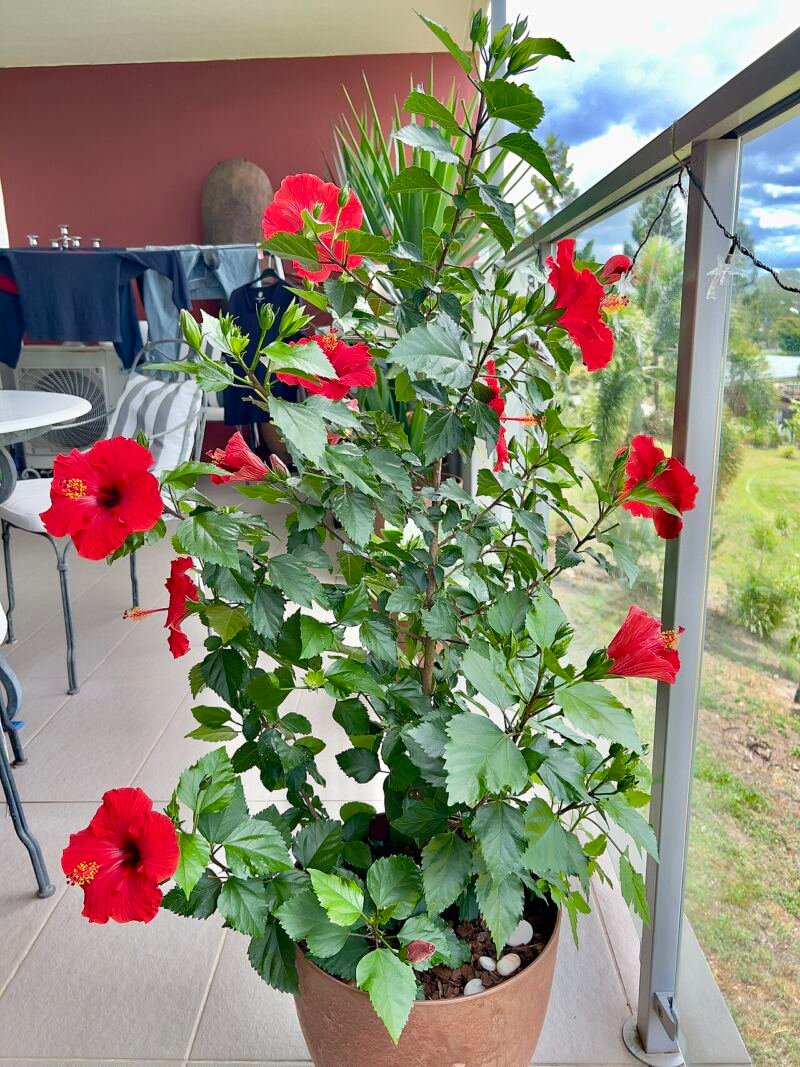
Is it worth bringing big tropical plants inside?
Not always. University of Missouri horticulturist David Trinklein writes that if a plant has grown large and you lack space or light, the easiest answer is to let it freeze and buy a small plant next spring. He adds that young, actively growing plants often make more of an impact than older plants kept through winter in poor conditions. Some tropical patio plants cost a lot to replace, so the choice is a real trade-off.
A simple test: if you have a bright window or a cool, frost-free spot, bring the plant in. If you have neither, take cuttings or plan to replace it. Missouri also describes a middle route for hibiscus, bougainvillea and mandevilla. You can keep them in a cool place that does not freeze and let them drop their leaves and go dormant, with the roots kept barely moist. Cutting a hibiscus back before the move removes the flower buds on the cut growth.
How do you get plants ready before the move?
- Reduce light slowly. Penn State says to start one to two weeks before the move. Oklahoma State suggests about a week in shaded spots outdoors. Minnesota suggests a few weeks, with a few hours of shade each day. One week is the minimum; stretch to two if you can.
- Trim. Remove dead or damaged leaves (Oklahoma State). Mandevilla needs hard pruning before it comes in, according to Missouri.
- Inspect. Look at the tops and undersides of leaves, the stems, the soil, the pot and the saucer (Penn State, Oklahoma State).
- Wash. Spray with a hose. For smaller plants, Minnesota describes a soak in a bucket of water with mild dish soap, then a rinse. Wash the outside of the pot too. Penn State adds a soak of the pot up to the rim in lukewarm water for at least 15 minutes to flush insects out of the soil.
- Treat only what you find. Penn State names insecticidal soap and horticultural oil. Illinois names pyrethrin, insecticidal soap and neem. Purdue warns that several treatments may be needed. Read the label every time.
- Drain and dry. Let plants drain and dry fully before you carry them in (Penn State).
- Decide on repotting. It is optional. Minnesota calls fall the last good chance before growth slows, and says fresh soil in a clean pot can help with stubborn pests such as mealybugs. A plant that is not root-bound and has no pests can usually be left alone.
What pests come in with potted plants, and how do you stop them?
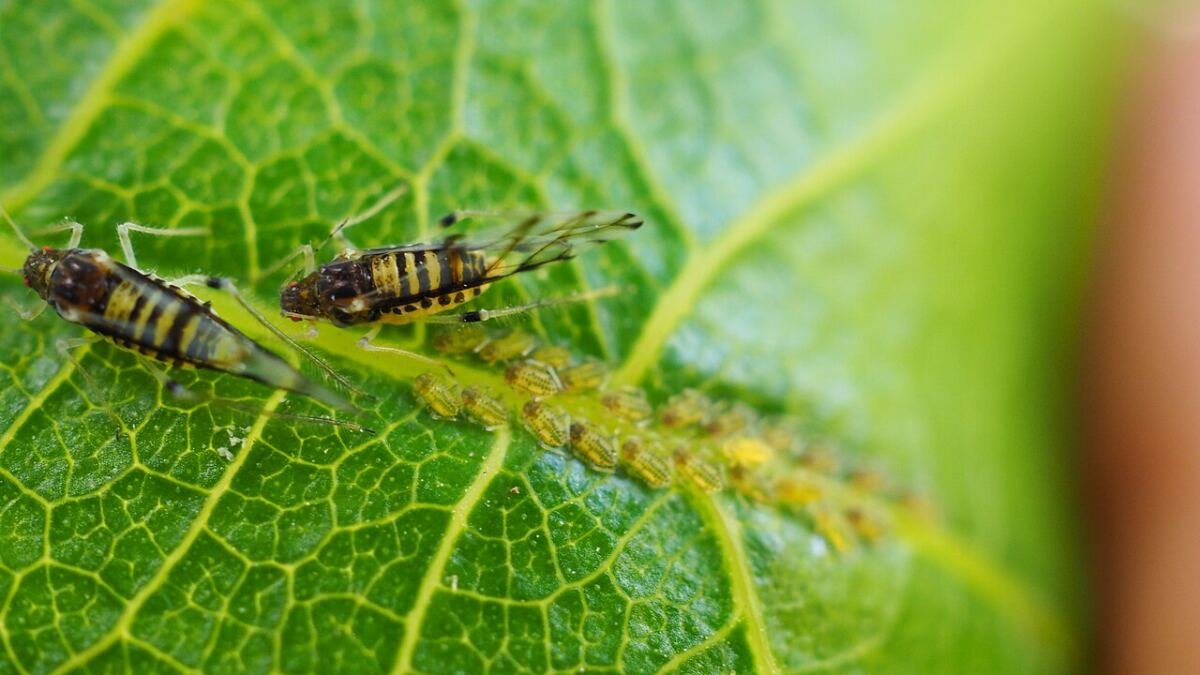
Minnesota Extension lists fungus gnats, aphids, spider mites, spiders, and sometimes mealybugs or scale as common hitchhikers. Illinois adds whiteflies. Aphids, mealybugs and whiteflies are rarely a problem while plants are outside, but they can become a large infestation indoors over winter. Inside, there are no natural predators or rain to keep them in check.
Spider mites need a closer look. Missouri says mites are hard to see because they are so small, and that the warm, dry air in most homes helps them multiply over winter. Look for pale or speckled leaves and check them with a hand lens. Washing the plant well with mild detergent can remove mites, or you can use a pesticide labeled for mites on indoor plants.
Fungus gnats are a different case. Minnesota says they do not harm plants but are a nuisance indoors. They like wet soil, so let the soil dry between waterings. Yellow sticky traps help catch the adults.
If a plant is badly infested, both Penn State and Illinois say it may be best to throw it out and protect your other plants.
How long should returning plants stay away from your other houseplants?
Keep them apart for three to four weeks. That is the advice from both Penn State and University of Illinois Extension. Put them in a separate room or corner, and check them each time you water. If no pests show up after the quarantine, move them closer to the rest. Minnesota notes that pests spread quickly between plants that sit close together and are hard to control once they settle in.
Where should plants go once they are inside?
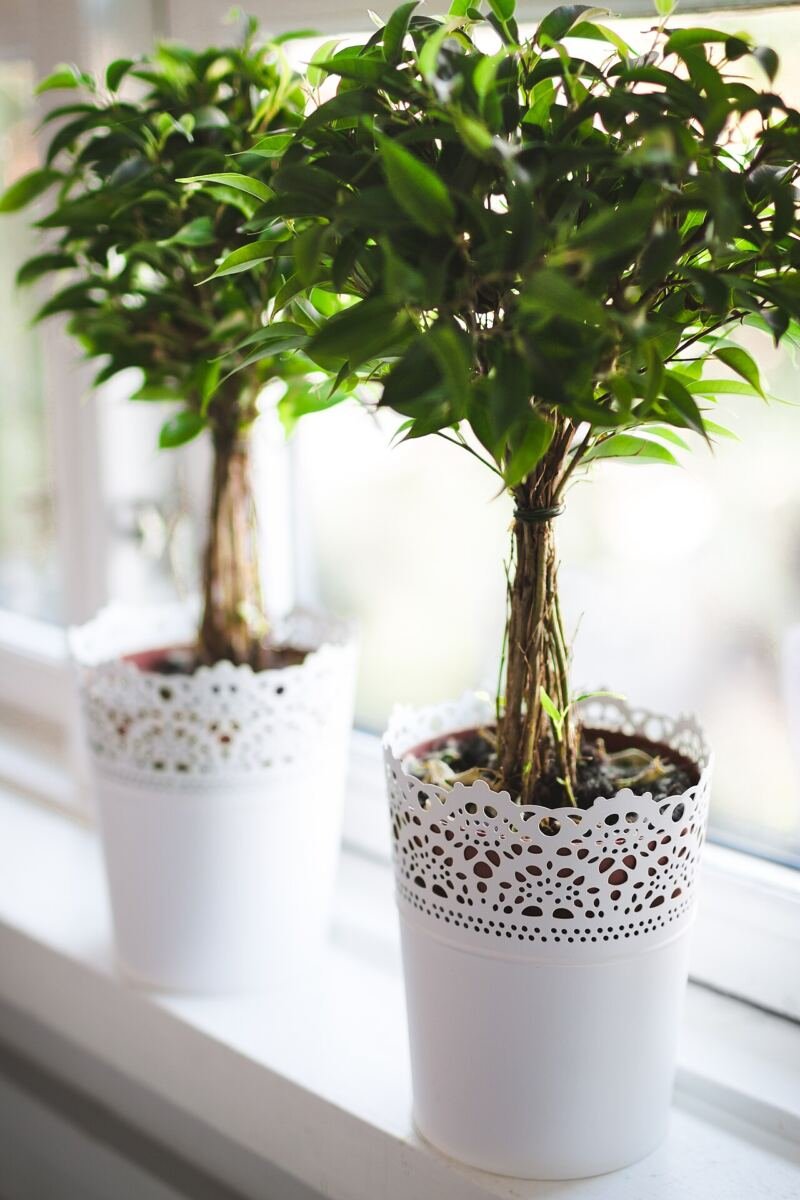
Light. Illinois says indoor light is much lower than outdoor light, even compared with a shaded spot. Put sun-loving plants in a south- or west-facing window (Penn State, Illinois). Minnesota lists jade plant, hibiscus, papyrus, croton and African milk tree as plants that like direct sun. If plants stretch toward the light, they need more of it, and Oklahoma State says fluorescent bulbs, incandescent bulbs or grow lights all work, with no special LED needed. Old incandescent bulbs give off heat that can scorch leaves. Some yellowing and leaf drop is normal. Penn State says plants can take one to two months to adjust, and new growth follows.
Temperature. Illinois says most houseplants like daytime temperatures between 65°F and 75°F and nights about 10°F cooler. Keep them away from drafts and heat vents. Minnesota advises sealing cracks around windows and doors if a room is regularly below 60°F at night.
Water and fertilizer. Growth slows indoors, so plants need less water. Penn State says to water by soil moisture, not by the outdoor schedule. Illinois suggests pushing a finger in to the second knuckle, or lifting the pot to feel if it is light. Empty any water that collects in saucers or decorative outer pots. Illinois says to stop fertilizing until spring, and Penn State says fertilizer is generally not needed. Citrus is an exception in Missouri’s advice, which calls for a monthly feeding with an acid-type fertilizer.
Humidity. Illinois says winter indoor humidity can fall as low as 10 to 20 percent, much drier than most tropical plants like. Kitchens and bathrooms run more humid. Grouping plants, a pebble tray with water below the top of the stones, or a humidifier can help. Misting raises humidity for only a few minutes. Oklahoma State adds that plants should sit away from vents, radiators and fireplaces.
What if a cold night shows up before you are ready?
If days are warm but nights are cold, Purdue says to bring plants in for the night and put them out again in the morning. If you cannot move a plant tonight, how to protect plants from frost covers what each type of cover does, and frost vs freeze explains the alert wording in your forecast.
The move works like hardening off in reverse. Minnesota makes the same comparison, and our guide on how to harden off seedlings shows the same slow change from one set of conditions to another. If you also grow food in beds, when to plant a fall garden counts back from the same first frost date.
Common mistakes
- Waiting for the first frost. Tropical plants can be hurt well before it (Penn State).
- Moving plants straight from full sun to a dim room. Minnesota warns of shock, with yellow leaves, wilting, dieback or even death.
- Skipping the pest check. Pests that were harmless outside can take over indoors.
- Putting returned plants beside the rest right away. Quarantine for three to four weeks.
- Watering on the summer schedule. Slower growth means less water (Penn State, Purdue).
- Feeding through winter. Most plants do not use it (Illinois, Purdue).
- Hauling in plants that can stay out. Pansies, mums and some succulents handle cool nights (Minnesota).
Frequently asked questions
What temperature should I bring plants inside?
Most extension sources say to bring tropical plants in before night lows drop below 50°F. Illinois and Purdue say 55°F. Missouri and Oklahoma State give 45°F as the lower limit. Minnesota says most succulents can wait until about 40°F.
Can I leave plants outside until the first frost?
Not tropical plants. Penn State Extension says not to wait for the first frost, because many houseplants can be damaged below 50°F. Pansies and mums tolerate light frost, according to Minnesota Extension.
How long should I quarantine plants I bring inside?
Three to four weeks, according to Penn State and University of Illinois Extension. Keep them in a separate area and check them at each watering. Move them near other plants only if no pests appear.
How do I get bugs off plants before bringing them in?
Spray plants with a hose, wash the leaves with mild dish soap and rinse. Soak pots to the rim in lukewarm water for at least 15 minutes. Use insecticidal soap or horticultural oil only as the label directs, and expect to repeat treatments.
Will my plants drop leaves after I bring them inside?
Often, yes. Light indoors is much lower than outside. Penn State says some yellowing and leaf drop is normal and that plants can take one to two months to adjust. Moving plants into shade first lessens the shock.
Should I stop fertilizing once plants are inside?
For most plants, yes, until spring, according to Illinois Extension. Missouri Extension lists citrus as an exception and suggests a monthly feeding with an acid-type fertilizer.
Should I repot plants before I bring them in?
It is optional. Minnesota Extension calls fall the last chance to repot before growth slows. It also says fresh soil in a clean pot can help with hard-to-control pests such as mealybugs.
Sources
All pages were opened and read on November 12, 2026. Plant care outcomes vary with the plant, the home and the weather; see our gardening disclaimer and editorial policy.
- Penn State Extension, Before the First Frost: Bringing Your Plants Indoors for Winter (Leen Pham, Master Gardener; updated September 24, 2026)
- University of Minnesota Extension, When to bring houseplants inside for the winter (Robin Trott; reviewed 2026)
- University of Minnesota Extension, Bringing houseplants in for winter (Clay County; September 10, 2026)
- University of Minnesota Extension, Tips to rescue houseplants from the cold (Master Gardener column)
- University of Illinois Extension, Tips for moving houseplants indoors and overwinter care (Ken Johnson; September 9, 2022)
- Purdue Extension, Bringing houseplants back indoors (page last modified October 21, 2016)
- Oklahoma State University Extension, How to transition potted plants indoors for winter (David Hillock; November 10, 2021)
- University of Missouri IPM, Overwintering Tropical Plants (David Trinklein; October 1, 2011)
Image credits
Images were resized and compressed for this page.
- Porch plants (featured image): Daria Nepriakhina via Unsplash, Wikimedia Commons, CC0.
- Frost on leaves: Markrosenrosen, Wikimedia Commons, CC BY-SA 3.0.
- Hibiscus in a pot: Kgbo, Wikimedia Commons, CC BY-SA 4.0.
- Aphids on a leaf: ISAAC THE BOY, Wikimedia Commons, CC BY 4.0.
- Bright windowsill: Lucas Alexander via Unsplash, Wikimedia Commons, CC0.
Published by Sajib Saha, a web developer and SEO specialist. This guide is compiled from the extension sources named above, not from personal horticultural credentials. See About and our editorial policy.